






What's Happening?
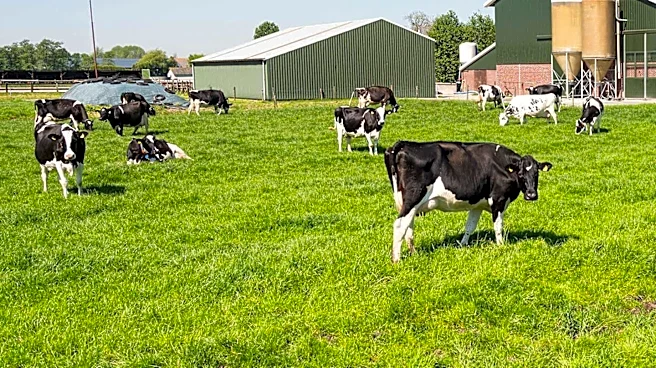
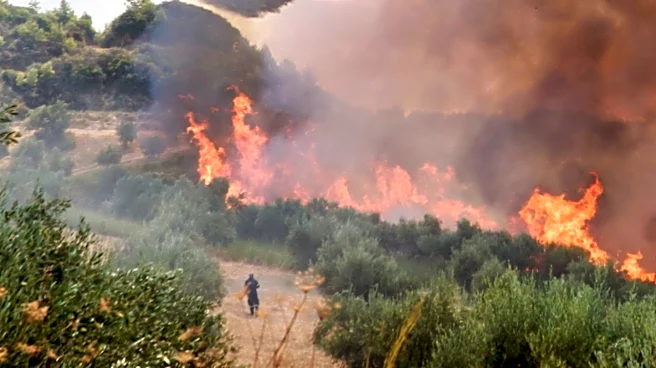
Farmers in Ontario are dealing with the effects of wildfire smoke drifting across the province, which is impacting crop development, livestock wellbeing, and outdoor work conditions. The smoke, originating from active wildfires, is reducing sunlight,
affecting photosynthesis, and potentially limiting crop yields, particularly for corn which requires intense sunlight. Livestock are also experiencing respiratory stress and reduced productivity due to poor air quality. Farmers are advised to monitor air quality, provide clean water, and ensure proper ventilation for animals. The situation is compounded by the potential for ground-level ozone formation, which can further harm crops.
Why It's Important?
The impact of wildfire smoke on agriculture is significant as it affects both crop yields and livestock health, which are crucial for the agricultural economy. Reduced crop yields can lead to financial losses for farmers and affect food supply chains. Livestock health issues can decrease productivity and increase costs for farmers. The situation highlights the broader implications of climate-related events on agriculture, emphasizing the need for adaptive strategies to mitigate such impacts. The ongoing smoke events also underscore the importance of addressing climate change to prevent worsening conditions.
What's Next?
Farmers and agricultural stakeholders will need to continue monitoring air quality and adapt their practices to mitigate the effects of smoke. This may include adjusting planting schedules, using protective measures for livestock, and exploring technological solutions to enhance crop resilience. The situation also calls for increased collaboration between agricultural and environmental agencies to develop comprehensive strategies for managing the impacts of climate-related events on agriculture.