
What's Happening?
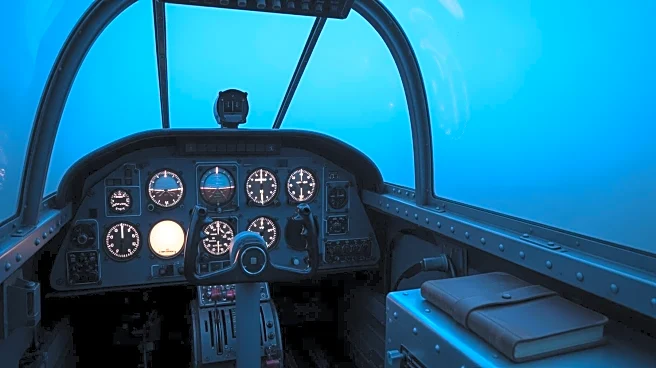
On September 24, 1963, pilot Geoffrey Sullivan and journalist Alex Rorke, along with a passenger believed to be Cuban exile Enrique Molina Garcia, took off from Opa-locka, Florida, in a twin-engine Beechcraft
Travel Air plane. The flight, which involved several changes in the flight plan and a refueling stop in Cozumel, ended in mystery as the plane and its passengers vanished without a trace. Sullivan and Rorke were known for their anti-communist activities against Fidel Castro, leading to speculation that they might have been captured and detained in Cuba. Despite a wrongful death lawsuit filed by Sullivan's daughter against the Cuban government, no conclusive answers have been provided regarding their fate.
Why It's Important?
The disappearance of Sullivan and Rorke highlights the tense geopolitical climate of the Cold War era, particularly the strained relations between the United States and Cuba. This incident underscores the risks faced by individuals involved in anti-communist activities during this period. The lack of resolution in this case reflects the broader challenges of obtaining justice and closure in politically sensitive situations. It also illustrates the enduring impact of Cold War politics on personal lives and international relations, as families continue to seek answers decades later.