






What's Happening?
A report by the League of United Latin American Citizens (LULAC) has revealed that Latino communities are disproportionately affected by the Trump administration's mass deportation policies. The report indicates that federal immigration enforcement has targeted
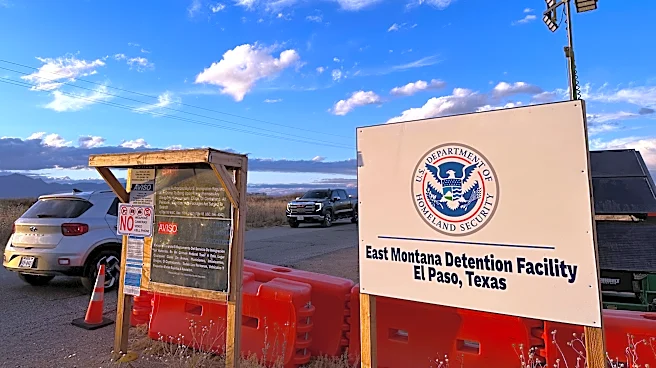
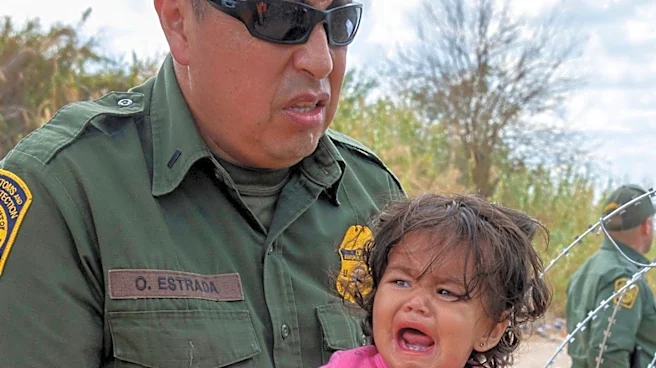
Latinos as an ethnic group rather than focusing solely on undocumented immigrants. This has resulted in significant harm to U.S. citizens, lawful permanent residents, and work-authorized immigrants within these communities. The report also highlights that Immigration and Customs Enforcement (ICE) agents have primarily focused on immigrants from Latin America, particularly those without criminal records, who are more likely to face violence or be detained in substandard conditions. The Department of Homeland Security has rejected these findings, asserting that immigration enforcement is based on legal status, not race or ethnicity.
Why It's Important?
The findings of the LULAC report underscore the broader implications of immigration policies on Latino communities in the U.S. The disproportionate targeting of Latinos, regardless of their immigration status, raises concerns about racial profiling and civil rights violations. This situation has economic, physical, and civic repercussions for affected individuals and families, disrupting communities and contributing to a climate of fear. The report also points to the economic impact on industries reliant on Latino workers, such as construction, hospitality, and agriculture, which could face labor shortages and economic downturns as a result of these policies. The allocation of nearly $70 billion in immigration enforcement funding further emphasizes the administration's commitment to these policies, potentially exacerbating the situation.
What's Next?
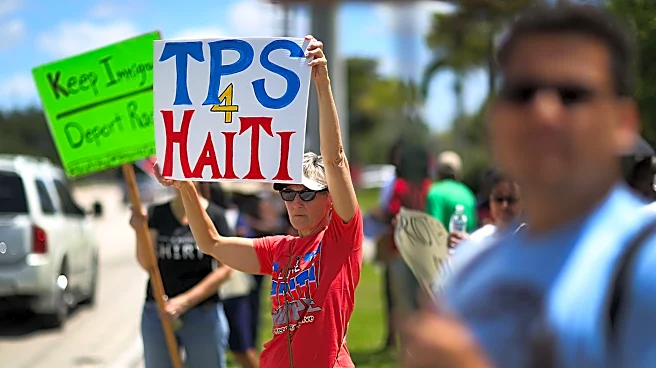
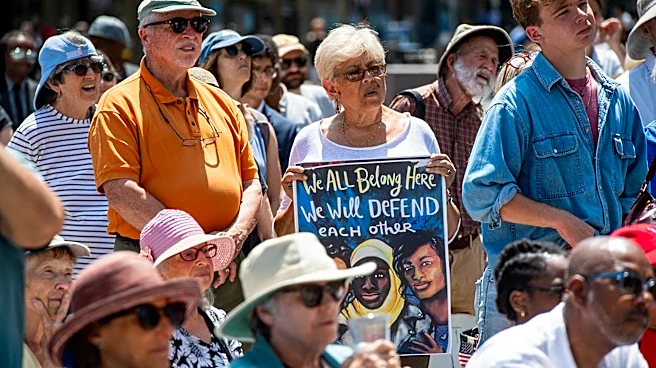
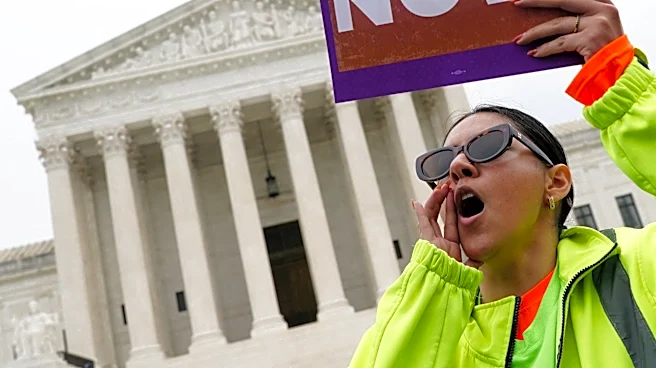
As the Trump administration continues its immigration enforcement efforts, Latino communities and civil rights organizations are likely to intensify their advocacy and legal challenges against perceived racial profiling and civil rights violations. The recent approval of significant funding for immigration enforcement suggests that these policies will persist, potentially leading to more protests and legal actions. Additionally, the end of Temporary Protected Status for certain groups may result in increased deportations, further impacting Latino communities. Stakeholders, including lawmakers and civil society groups, may push for policy reforms to address these issues and protect the rights of affected individuals.
Beyond the Headlines
The LULAC report highlights deeper ethical and legal concerns regarding the use of racial profiling in immigration enforcement. The allegations of racial slurs and misconduct by federal agents raise questions about accountability and oversight within immigration agencies. The broader cultural implications include the potential erosion of trust between Latino communities and law enforcement, which could have long-term effects on community relations and public safety. The report also calls attention to the need for comprehensive immigration reform that balances enforcement with the protection of civil rights and the humane treatment of all individuals, regardless of their immigration status.