




What's Happening?
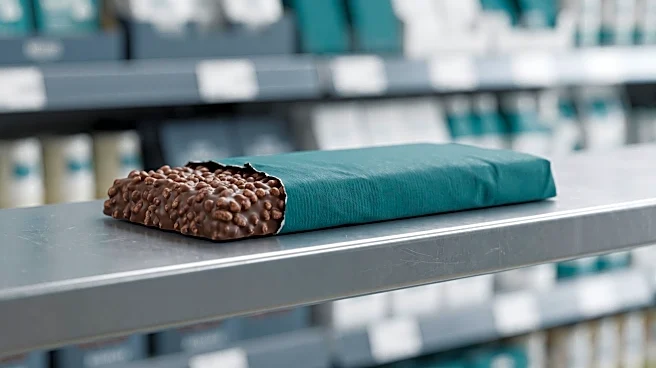
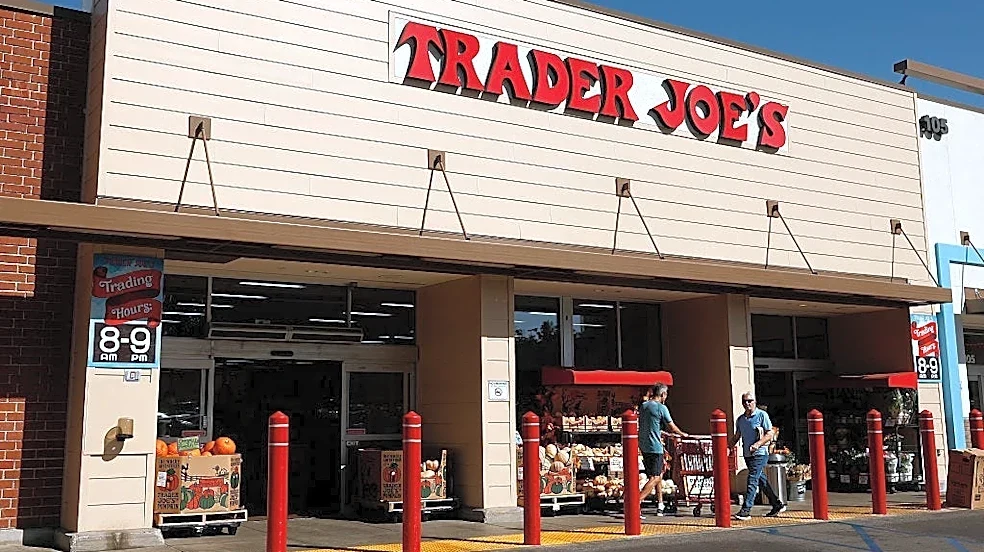
Trader Joe's Company of Monrovia, California, has initiated a recall of its 1.75-ounce Crispy Rice Milk Chocolate Bars across 12 states due to the presence of undeclared wheat. The U.S. Food and Drug Administration (FDA) has classified this as a Class
II recall event. The affected products, totaling 11,765 units, were packaged individually in threes with an outer wrapping labeled with UPC 00515092 and an expiration date of October 8, 2027. The recall was voluntarily initiated on September 3, with the FDA classifying it on October 20. The issue stems from an incorrect outer label that failed to list wheat as an allergen ingredient. The candy bars were imported from Belgium and distributed to stores in Connecticut, Florida, Georgia, Maine, Massachusetts, New Hampshire, New Jersey, New York, Pennsylvania, Rhode Island, South Carolina, and Vermont.
Why It's Important?
This recall is significant because undeclared allergens pose a serious health risk to individuals with allergies. Wheat is one of the nine major food allergens that the FDA mandates companies to clearly identify on product labels. For consumers with celiac disease or wheat allergies, consuming this product could lead to adverse health consequences, ranging from mild allergic reactions to severe, life-threatening anaphylaxis. The Class II classification indicates that exposure to the product may cause temporary or medically reversible adverse health consequences. This incident highlights the critical importance of accurate food labeling and stringent quality control measures in the food industry to protect public health. It also underscores the responsibility of retailers and importers to ensure that products meet U.S. safety standards before reaching consumers.
What's Next?
Consumers who have purchased the recalled Trader Joe's Crispy Rice Milk Chocolate Bars are advised not to consume them and to return them to the place of purchase for a full refund. The FDA will continue to monitor the recall process to ensure that all affected products are removed from circulation and that the company takes appropriate corrective actions to prevent similar incidents in the future. Trader Joe's will likely review its labeling and supply chain procedures, especially for imported goods, to enhance allergen control. This event may also prompt increased vigilance from regulatory bodies regarding allergen labeling compliance across the food industry, potentially leading to more frequent inspections or stricter enforcement actions to safeguard consumer health.
Beyond the Headlines
This recall points to broader challenges within the global food supply chain, particularly concerning imported products where labeling standards and ingredient disclosures can vary. The incident underscores the need for robust international cooperation and standardized regulations to ensure food safety across borders. Beyond the immediate health risks, such recalls can erode consumer trust in brands and lead to significant financial and reputational damage for companies. It also brings to light the complexities of managing allergen information across multiple production and distribution points. The long-term implication is a heightened focus on traceability and transparency in food production, pushing for technological solutions and stricter protocols to prevent mislabeling and protect vulnerable consumers.