






What's Happening?
U.S. Senator Chuck Grassley (R-Iowa), alongside U.S. Senator Jerry Moran (R-Kan.), U.S. Representative Adrian Smith (R-Neb.), and 50 other colleagues, including Iowa Representatives Ashley Hinson, Mariannette Miller-Meeks, Zach Nunn, and Randy Feenstra,
have sent a letter to President Trump. The letter advocates for policies that would expand trade market access and provide stability for American cattle producers. The lawmakers expressed concerns that interventions in the natural market system, particularly during critical marketing decisions, could undermine the long-term viability of family-owned cattle operations. This initiative follows President Trump’s recent proclamation to increase the quota for lean beef trimmings from 'other countries' by 300,000 metric tons for 90 days, starting September 1, 2026, with these imports to be sold at 25% below market price. The congressional members argue that such actions could create an uneven playing field, picking 'winners and losers' within the industry.
Why It's Important?
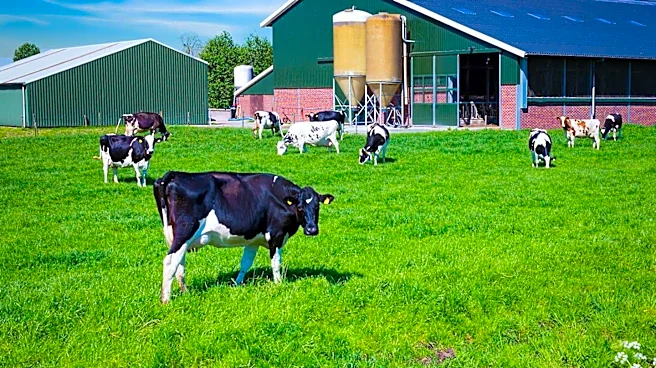
This bipartisan appeal highlights significant concerns within the U.S. agricultural sector regarding trade policies and their impact on domestic producers. The cattle industry, a vital component of the U.S. economy, is particularly sensitive to market fluctuations and international trade agreements. The letter underscores the potential for federal policies, such as import quotas and pricing strategies, to disrupt established market dynamics and negatively affect the livelihoods of American ranchers. By urging President Trump to prioritize expanded market access, the lawmakers are seeking to protect the economic interests of their constituents and ensure the sustainability of family-owned cattle operations. The debate over trade interventions versus free-market principles in agriculture has broad implications for food supply chains, consumer prices, and the overall economic health of rural communities across the nation.
What's Next?
The letter serves as a direct appeal to President Trump, urging him to reconsider or adjust policies that could impact the U.S. cattle market. The immediate next step would involve a response or policy adjustment from the White House regarding the lean beef trimmings quota and broader trade strategies for agricultural products. Stakeholders, including cattle producers, agricultural associations, and consumers, will likely monitor the administration's reaction closely. The outcome could influence future trade negotiations and domestic agricultural support programs. Depending on the response, further legislative action or industry advocacy efforts may follow to address the concerns raised by the congressional delegation. The situation also sets a precedent for how the administration balances international trade relations with the protection of domestic industries.
Beyond the Headlines
The underlying tension in this issue extends beyond immediate market concerns, touching upon the broader philosophy of government intervention in agricultural markets. The lawmakers' argument against 'picking winners and losers' reflects a preference for market-driven solutions, while the administration's actions suggest a willingness to use trade policy as a tool for various economic or diplomatic objectives. This dynamic raises questions about the long-term stability and competitiveness of U.S. agriculture in a globalized economy. Furthermore, the focus on 'family-owned cattle operations' highlights the cultural and social importance of these businesses to rural America, suggesting that policy decisions have profound impacts on community structures and traditional ways of life, not just economic indicators. The debate also implicitly addresses the balance between consumer access to affordable goods and the protection of domestic industries.