






What's Happening?
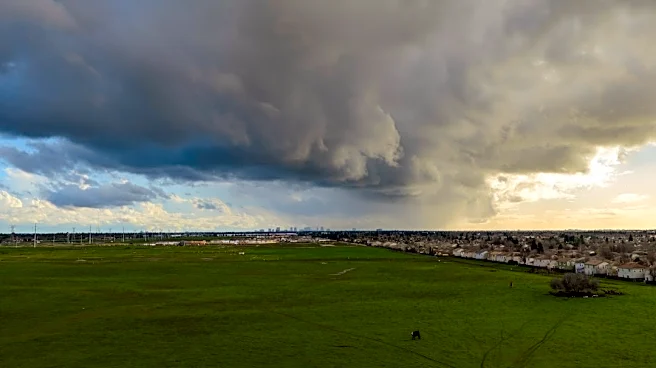
The San Jose City Council has declared a local emergency in anticipation of severe winter storms, which are predicted to be the strongest on record for the area due to El Niño. This declaration provides city staff with additional resources to prepare,
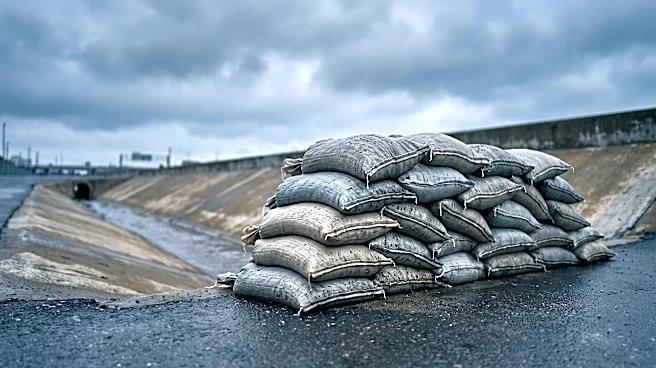
purchase necessary supplies, and protect residents and infrastructure. The decision follows updated weather predictions from the National Weather Service and discussions between the City and Valley Water regarding potential flood risks along San Jose's creeks and rivers. Ray Riordan, director of San Jose's Office of Emergency Management, emphasized that the declaration is a proactive measure to get ahead of the situation. While the specific impacts of El Niño remain uncertain, the city is preparing for various scenarios by identifying vulnerable areas and acquiring essential supplies and equipment. This emergency declaration facilitates these preparations, allowing major departments like D.O.T. and Public Works to establish staffing levels and response plans based on projected rainfall.
Why It's Important?
This emergency declaration is crucial for San Jose as it enables a more rapid and comprehensive response to the anticipated severe winter storms. By activating additional resources and streamlining procurement processes, the city can better mitigate potential damage to infrastructure and ensure the safety of its residents. The proactive approach, informed by lessons from the 2023 storm season, highlights the importance of advance planning for utilities and emergency services. PG&E, for instance, has already staged crews and resources to prepare for potential weather-related outages, aiming to restore service quickly and safely. The declaration also underscores the significant impact of climate patterns like El Niño on local communities, necessitating robust preparedness strategies to minimize disruption and protect public welfare. The involvement of various agencies, including CAL FIRE and the Red Cross, emphasizes a coordinated effort to address the multifaceted challenges posed by severe weather events.
What's Next?
With the emergency declaration in place, San Jose will continue to implement its preparedness plans, focusing on resource allocation, supply acquisition, and infrastructure protection. The City Council is expected to monitor weather developments closely and adjust response strategies as needed. Community preparedness will also play a vital role, with officials encouraging residents to take their own precautions. The Red Cross anticipates that volunteers will be critical to any El Niño response efforts, indicating a need for public engagement and support. The California Public Utilities Commission (CPUC) is also relevant, as it sets utility rates and would allow power to sites, which could be impacted by the storms. The city's major departments, including D.O.T. and Public Works, will maintain heightened alert levels, with staffing adjusted based on the severity of incoming weather projections. The goal is to ensure a swift and effective response to any storm-related emergencies.
Beyond the Headlines
The declaration of a local emergency in San Jose reflects a broader trend of U.S. cities grappling with the increasing frequency and intensity of extreme weather events, often exacerbated by climate change. This situation highlights the ethical imperative for local governments to prioritize public safety and resilience in the face of environmental threats. The reliance on past experiences, such as the 2023 atmospheric rivers, demonstrates a learning curve in disaster preparedness, emphasizing the value of historical data and adaptive strategies. Furthermore, the potential for utility rate increases, as mentioned in the context of other large energy projects, could become a long-term societal implication, as the costs of infrastructure upgrades and disaster response are often borne by ratepayers. This scenario also brings to light the cultural shift towards greater community involvement in emergency response, with organizations like the Red Cross playing a crucial role in mobilizing volunteers and fostering collective resilience.