


What's Happening?
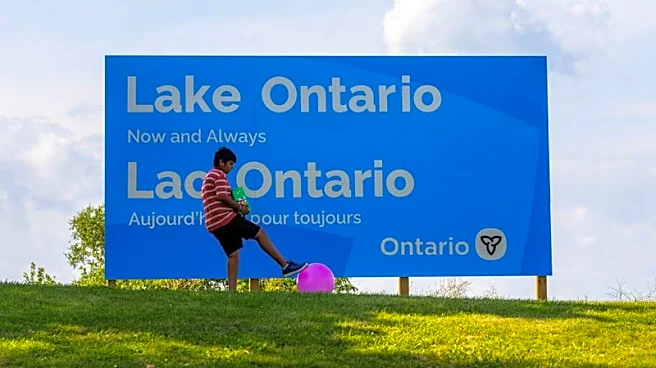
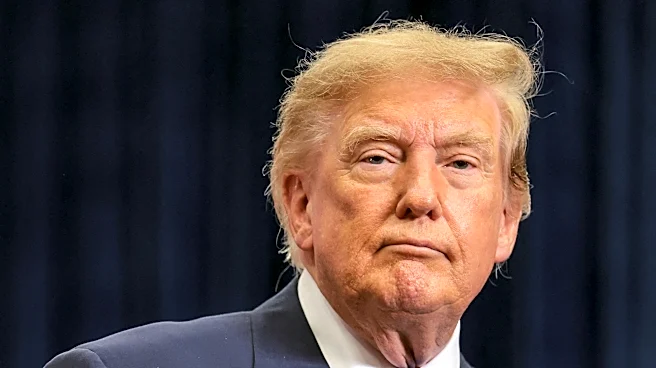
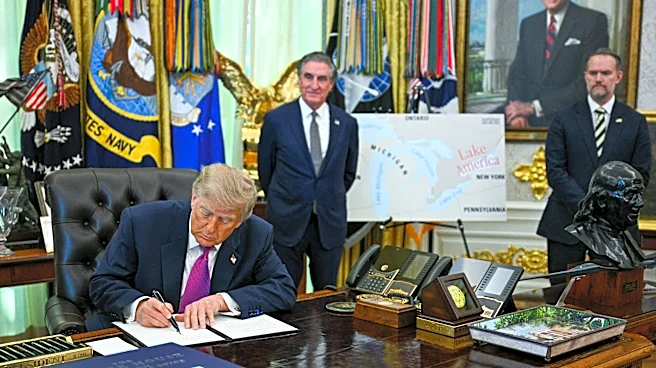
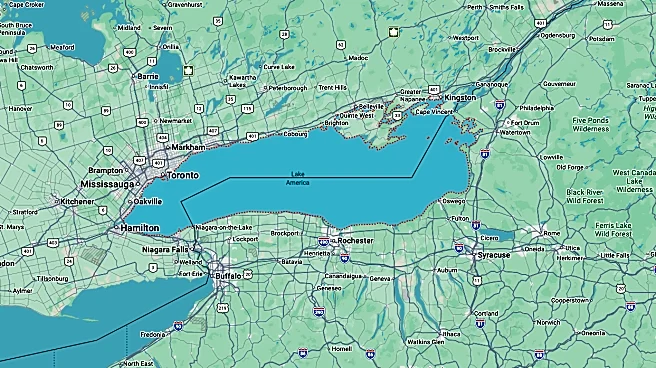
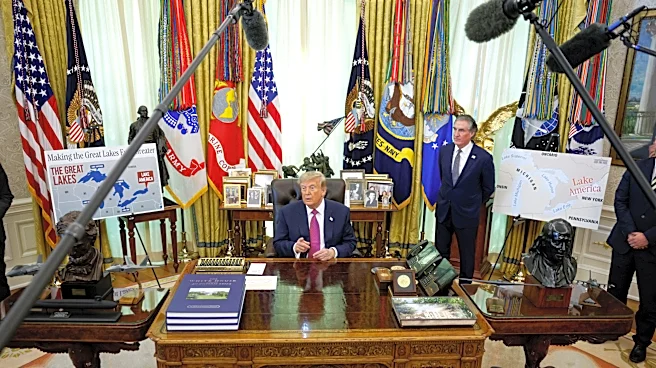
The Seneca Nation in upstate New York is criticizing President Trump's executive order to rename Lake Ontario as 'Lake America.' Seneca Nation President J. Conrad Seneca has called for the order to be rescinded, stating it violates the 1794 Treaty of
Canandaigua. This treaty, signed by President George Washington and the Haudenosaunee confederacy, promised perpetual peace and friendship. The Seneca Nation is one of the six nations of this confederacy. President Trump signed the order directing the Interior Department to update the lake's name in the U.S. geographic naming service within 30 days. The renaming is reportedly part of an escalating trade dispute with Canada. The original name, Lake Ontario, derives from the Huron Indigenous people's word 'oniatarí:io,' meaning 'lake of shining waters.' In the traditional Seneca language, the lake is known as 'sga:nyodai:yoh,' meaning 'beautiful lake.'
Why It's Important?
This action by President Trump carries significant implications for U.S. Indigenous relations and international diplomacy. The Seneca Nation views the renaming as a 'blatant disrespect' for Indigenous people and a violation of a long-standing treaty, potentially undermining trust and historical agreements between the U.S. government and Native American nations. The move also exacerbates tensions with Canada, as Canadian Prime Minister Mark Carney has rejected the renaming, emphasizing the lake's Indigenous roots that predate both the Canadian Confederation and the U.S. Declaration of Independence. This dispute highlights the cultural and historical significance of geographical names and the potential for political actions to disregard such heritage. It could set a precedent for future challenges to Indigenous land rights and cultural recognition, impacting the broader relationship between the U.S. government and Indigenous communities.
What's Next?
The Interior Department is directed to update the lake's name in the U.S. geographic naming service within 30 days, as per President Trump's order. The Seneca Nation is actively seeking the reversal of this executive order, which could lead to legal challenges or increased advocacy efforts from Indigenous groups and their allies. Canada is expected to continue its opposition to the renaming, potentially escalating diplomatic tensions and trade disputes between the two countries. The situation may also prompt further discussions and debates within the U.S. regarding the respect for Indigenous treaties and cultural heritage in governmental decisions. The outcome will likely influence future interactions between the U.S. government, Indigenous nations, and international partners, particularly concerning shared natural resources and historical agreements.
Beyond the Headlines
The controversy surrounding the renaming of Lake Ontario extends beyond a simple name change, touching upon deeper issues of cultural sovereignty, historical memory, and the interpretation of treaties. President Trump's justification for the renaming, linked to a trade war with Canada and a suggestion that Canada should be absorbed as the 51st state, reveals a broader 'culture war' mentality. This approach risks alienating Indigenous communities and international allies by prioritizing a nationalistic agenda over diplomatic and cultural sensitivities. The incident underscores the ongoing struggle for Indigenous rights and recognition in the U.S., where historical treaties are often challenged or disregarded. It also highlights the power dynamics inherent in naming conventions and how they can be used to assert dominance or erase cultural identities, potentially leading to long-term shifts in how the U.S. engages with its Indigenous populations and neighboring countries.