


What's Happening?
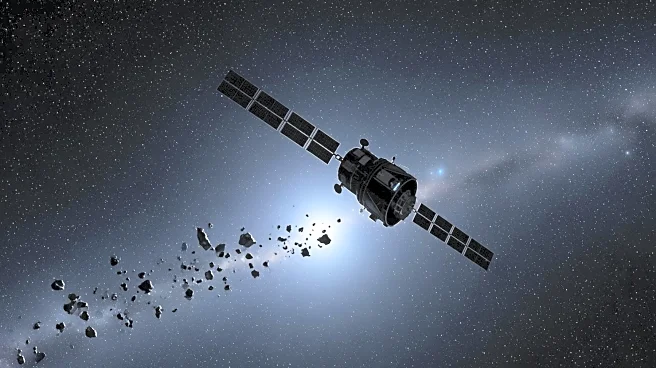
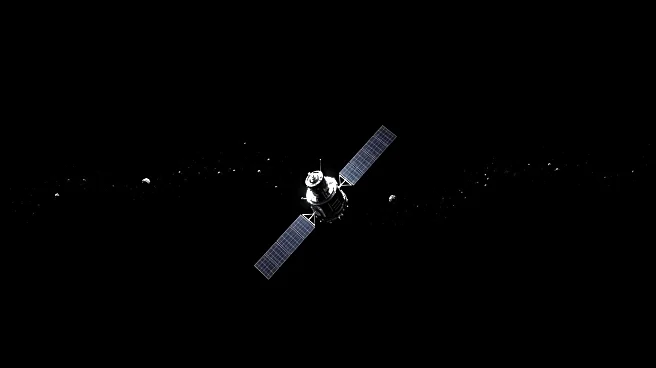
A Starlink satellite, numbered 34343, experienced an anomaly on March 29, 2026, resulting in its breakup while in orbit approximately 560 kilometers above Earth. SpaceX, the company behind Starlink, reported the incident and is investigating the cause,
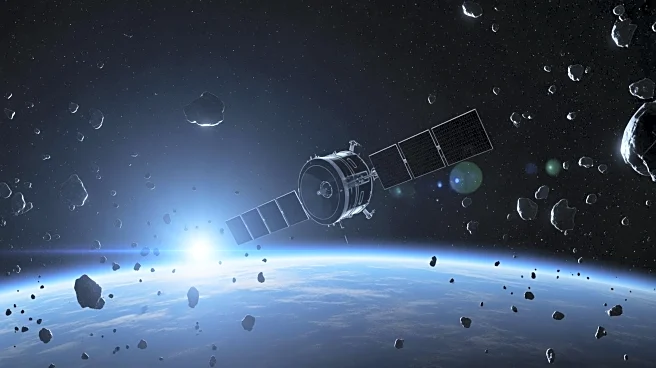
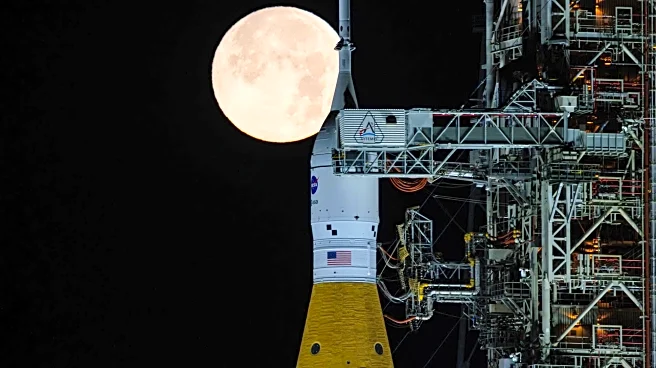
which is believed to be an internal energetic source rather than a collision. The breakup has resulted in tens of pieces of debris, which are expected to de-orbit within weeks. SpaceX has assured that the debris poses no risk to the International Space Station or NASA's upcoming Artemis II mission. This incident follows a similar event in December 2025, raising questions about the reliability of Starlink satellites.
Why It's Important?
The breakup of the Starlink satellite highlights the growing issue of space debris and its potential impact on space operations. With over 10,000 Starlink satellites in orbit, the risk of collisions and the creation of additional debris is a significant concern for space sustainability. The incident underscores the need for robust satellite design and effective debris management strategies to prevent potential collisions that could endanger other satellites and space missions. As the number of satellites in orbit continues to increase, ensuring the safety and sustainability of space operations becomes increasingly critical for both commercial and governmental stakeholders.
What's Next?
SpaceX is actively working to determine the root cause of the anomaly and implement corrective actions to prevent future incidents. The company will continue to monitor the debris and coordinate with NASA and the U.S. Space Force. The incident may prompt discussions on regulatory measures and international cooperation to address space debris and ensure the long-term sustainability of space activities. As competition among satellite companies intensifies, the industry may see increased efforts to enhance satellite reliability and develop innovative solutions for debris mitigation.