

What's Happening?
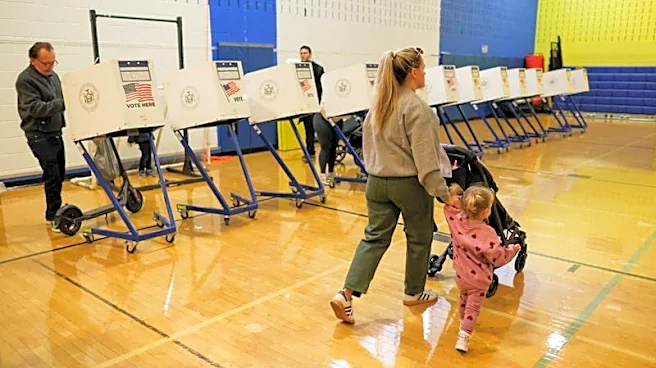
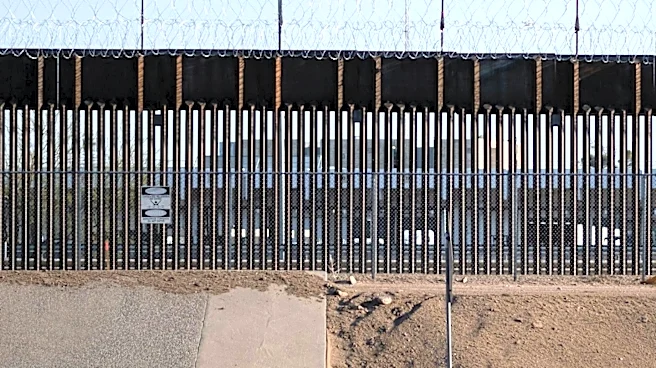
As midterm elections approach, Congress is under pressure to address critical issues including government funding, affordability, and border security to avoid a shutdown. Washington insider Armstrong Williams noted that House Republicans face both legislative
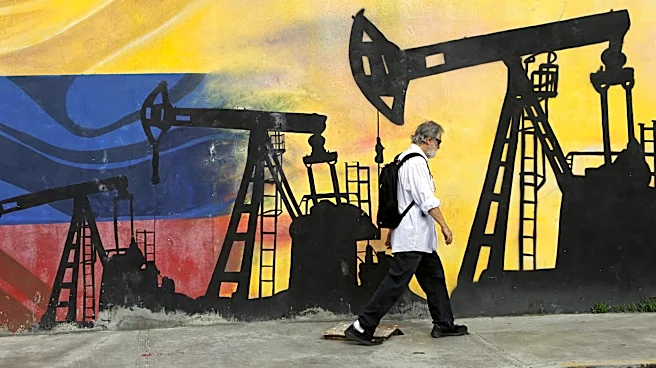
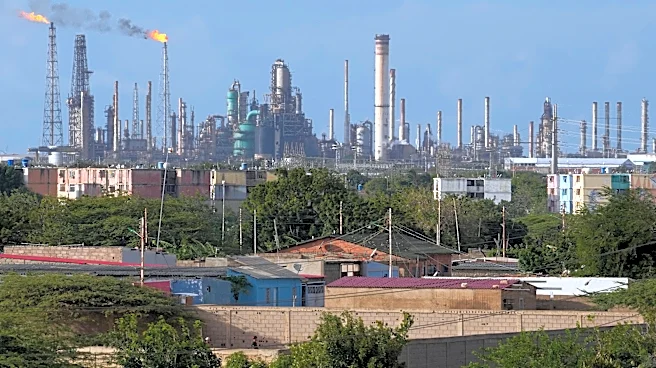
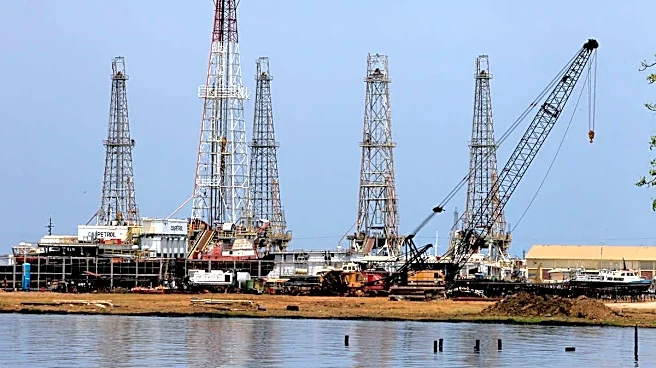
and political challenges. A key priority is to keep the federal government funded, as a shutdown could dominate the final weeks of the campaign. Republicans are also reportedly interested in a reconciliation package focusing on defense, agriculture, the border, and affordability. The discussion also touched upon President Trump's deployment of federal resources and National Guard personnel in Washington, D.C., as part of his administration's crime strategy, which has reportedly led to a 20% reduction in overall crime in the District this year. Additionally, a major oil agreement with Venezuela is being discussed, which could provide the U.S. access to significant Venezuelan oil production and help replenish the Strategic Petroleum Reserve.
Why It's Important?
The impending deadline for government funding and the focus on border security and affordability directly impact the stability and well-being of the nation. A government shutdown could have severe economic and social consequences, disrupting essential services and undermining public confidence. The emphasis on border security reflects ongoing national debates about immigration policy and resource allocation. President Trump's crime strategy in Washington, D.C., and its reported success in reducing crime, highlights the potential impact of federal intervention on local safety and security. The proposed oil agreement with Venezuela could significantly bolster U.S. energy security and potentially influence global oil prices, affecting American consumers and industries. However, the challenges in Venezuela's oil infrastructure mean that the realization of these benefits would require substantial investment and time.
What's Next?
Lawmakers will continue to race against the clock to pass funding legislation and address other policy priorities before the midterm elections. The outcome of these legislative efforts will likely shape the political landscape and influence voter sentiment. The potential oil agreement with Venezuela will require careful negotiation and significant investment to overcome infrastructure challenges, with its long-term impact on U.S. energy security and prices yet to be fully determined. The ongoing debate about federal resources and crime strategies will likely continue, with discussions on their effectiveness and implications for civil liberties. The coming weeks are expected to be consequential both politically and economically, as Congress navigates these complex issues.
Beyond the Headlines
The confluence of legislative deadlines, political campaigning, and major policy debates underscores the intricate relationship between governance and public perception. The focus on 'affordability' reflects broader economic anxieties and the impact of inflation on everyday Americans. The discussion around President Trump's crime strategy in Washington, D.C., raises questions about the role of federal forces in local law enforcement and the balance between security and civil liberties. The Venezuela oil deal, while potentially beneficial for energy security, also highlights the complexities of international relations and the ethical considerations of engaging with regimes that may have human rights concerns. These issues collectively paint a picture of a nation grappling with immediate challenges while also navigating long-term strategic decisions.