


What's Happening?
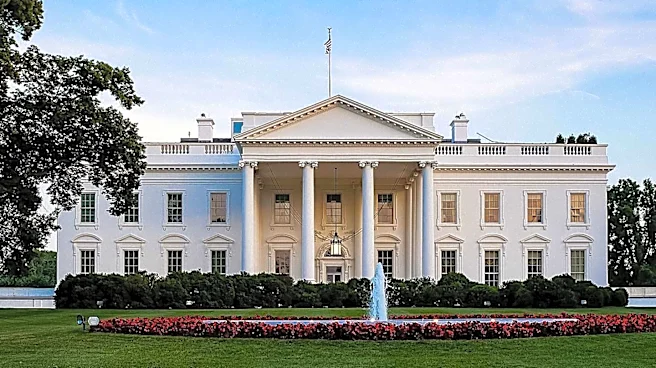
President Trump's second term has been characterized by a significant focus on renovating and redesigning various national capital properties, including the White House. These efforts are described by aides and associates as a culmination of a life dedicated
to achieving fame, wealth, and a specific idea of masculinity, with the President aiming to establish a permanent mark before his term concludes. Renovations have included refinishing columns, adding gold cherubs from Mar-a-Lago to the Oval Office, redesigning the West Wing with 18th-century European aesthetics, and replanting Lafayette Square with 47 maple trees. The Rose Garden lawn has been paved, a community golf course is being upgraded, and the East Wing was demolished for a ballroom. A granite helipad on the South Lawn was poured, deemed unsatisfactory, removed, and repoured. Beyond physical renovations, there have been efforts to brand institutions with his name, such as the Institute of Peace, and proposals to name Dulles International Airport and the Washington Commanders' new stadium after him. White House spokesperson Olivia Wales stated that President Trump is focused on 'making America greater than ever before.'
Why It's Important?
President Trump's extensive renovation projects and efforts to brand public spaces with his name are significant for several reasons. They reflect a deliberate strategy to shape his legacy and imprint his personal aesthetic and influence on the nation's capital, potentially for decades to come. This approach highlights a unique intersection of personal ambition and presidential power, where public resources are directed towards projects that also serve to memorialize an individual's tenure. The focus on physical alterations to iconic government buildings and proposals for naming rights raise questions about the appropriate use of presidential authority and the distinction between public service and personal branding. Furthermore, these actions occur amidst a backdrop of a 38% approval rating, an unpopular war in Iran, and rising gas prices, suggesting a potential disconnect between the President's priorities and public sentiment regarding pressing national issues. The emphasis on visible, tangible changes may be an attempt to project an image of strength and accomplishment despite broader political and economic challenges.
What's Next?
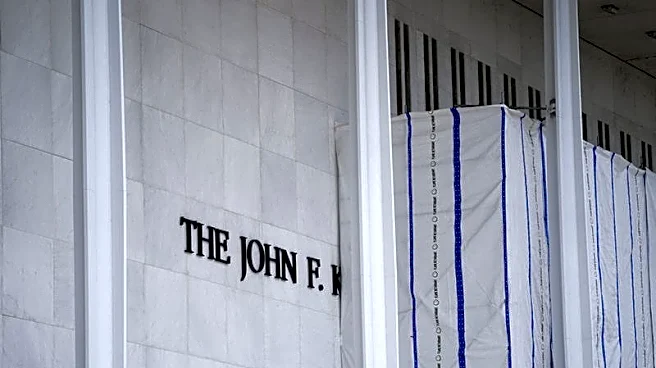
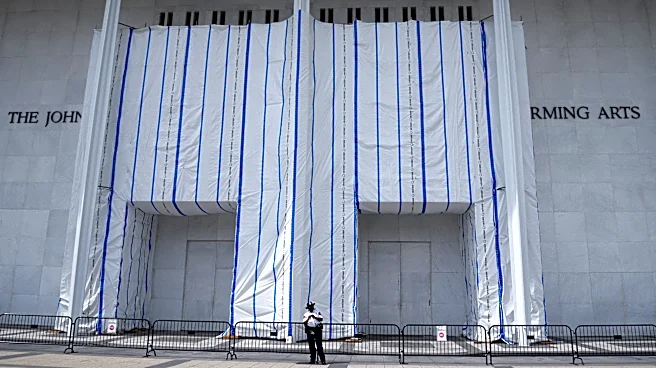
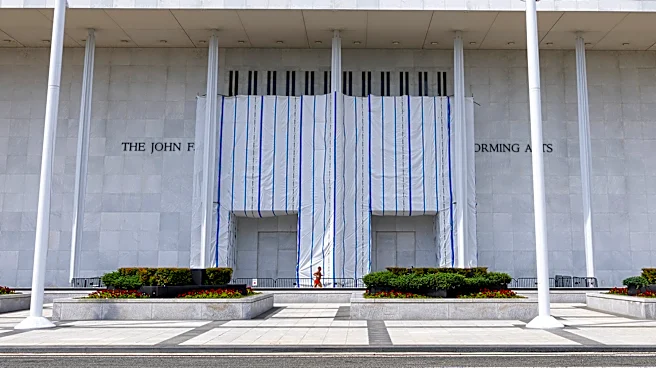
The ongoing renovation projects and branding initiatives are likely to continue throughout President Trump's second term. The Kennedy Center's board is expected to consider a resolution for 'appropriate recognition' of his role in fundraising, potentially leading to his name being placed on the building. Discussions and debates surrounding the naming of public facilities, such as Dulles International Airport and the Washington Commanders' stadium, are also anticipated to persist. These efforts will likely continue to draw scrutiny from critics who view them as self-serving, while supporters may laud them as expressions of presidential vision and national pride. The long-term impact of these physical and symbolic changes on the national landscape and public perception of the presidency will unfold over time. Future administrations may face decisions regarding the permanence of these alterations and whether to maintain or reverse any branding decisions made during President Trump's tenure.
Beyond the Headlines
The deeper implications of President Trump's renovation and branding efforts extend to the cultural and historical narrative of the presidency. By physically altering national landmarks and seeking to attach his name to public institutions, President Trump is engaging in a form of legacy construction that challenges traditional notions of presidential modesty and public ownership. This approach raises ethical questions about the use of presidential power for personal aggrandizement and the potential for politicizing national symbols. It also highlights a broader trend of leaders seeking to leave indelible marks on the built environment as a means of securing their place in history. The public's reaction to these efforts, ranging from admiration to strong opposition, reflects a divided national identity and differing views on what constitutes appropriate presidential conduct and legacy. Ultimately, these actions contribute to a redefinition of the presidential role, blurring the lines between public servant and personal brand, and setting a precedent for how future leaders might approach their own legacies.