








What's Happening?
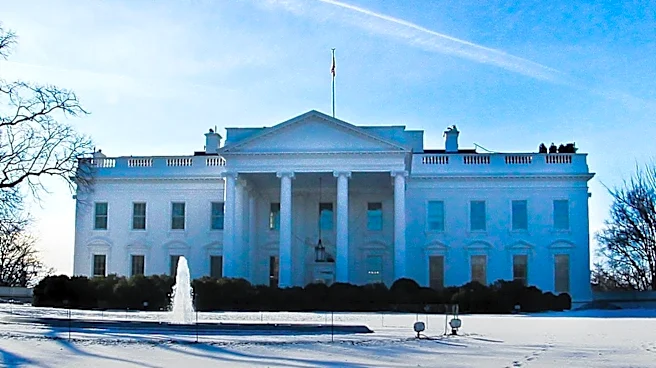
The White House has denied giving OpenAI a formal green light to release its latest model, GPT-5.6, despite reports from Axios and Gizmodo suggesting otherwise. The model is set to be available on July 9, following discussions with the Department of Commerce's
Center for AI Standards and Innovation. The White House emphasized that the decision to release the model rests with the company, not the government. This development highlights the ongoing dialogue between government entities and tech companies regarding the safe deployment of advanced AI models.
Why It's Important?
The denial from the White House underscores the complexities involved in the release of advanced AI technologies, which require careful consideration of safety and compliance standards. This situation reflects the broader challenges faced by tech companies in navigating regulatory landscapes while advancing AI capabilities. The emphasis on company responsibility for model release decisions highlights the need for robust internal compliance and safety testing frameworks. The incident may influence future interactions between tech companies and government agencies, potentially affecting the pace and nature of AI advancements.
What's Next?
As OpenAI proceeds with the release of GPT-5.6, the company will likely focus on ensuring compliance with safety standards and addressing any regulatory concerns. The situation may prompt further discussions on the role of government oversight in AI development, potentially leading to new policies or guidelines. Other tech companies may closely monitor this case to inform their own strategies for AI deployment. The ongoing dialogue between the government and tech industry could shape the future of AI regulation, balancing innovation with public safety and ethical considerations.