









What's Happening?
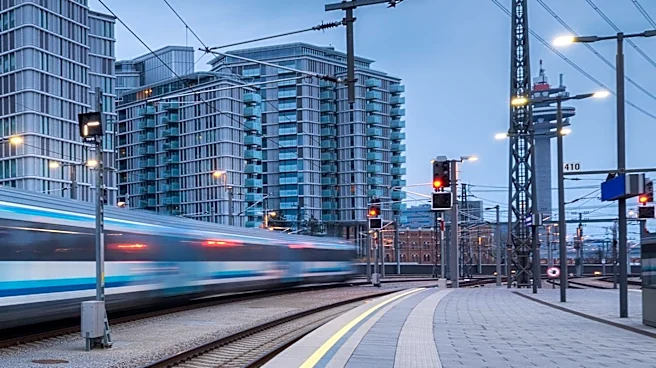
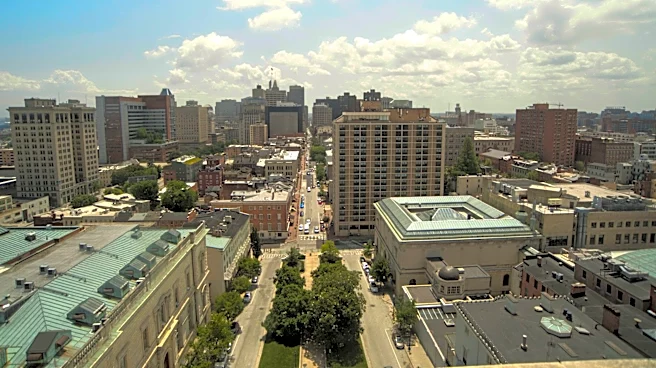
Maryland Governor Wes Moore has signed two significant bills aimed at promoting the development of multifamily housing near mass transit areas. The first bill designates certain lands near mass transit as 'enterprise zones,' providing incentives for housing development.
This includes the elimination of parking requirements for new housing within a quarter-mile of active rail stations and opens up approximately 300 acres of state-owned land for development. The second piece of legislation delays local impact fees until after construction is completed and mandates that local project approvals or denials be based on regulations in place at the time of application submission. These measures are expected to facilitate the construction of up to 7,000 new housing units.
Why It's Important?
The legislation is crucial for addressing housing shortages and promoting sustainable urban development in Maryland. By easing regulations and providing incentives for transit-oriented development, the state aims to increase housing availability while reducing reliance on cars, thus potentially decreasing traffic congestion and pollution. The focus on areas near mass transit also supports the use of public transportation, aligning with broader environmental and urban planning goals. This initiative could serve as a model for other states looking to balance housing needs with sustainable development practices.
What's Next?
With the new laws in place, developers are likely to begin planning and submitting proposals for new housing projects near transit stations. Local governments will need to adjust to the new regulatory framework, which may involve revising existing zoning laws and planning processes. Stakeholders, including community groups and environmental advocates, may engage in discussions to ensure that the developments meet community needs and sustainability standards. The success of these initiatives could influence future legislative efforts in Maryland and beyond.