



What's Happening?
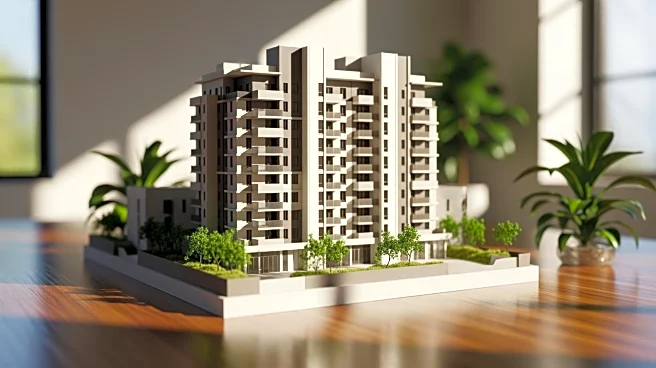
The city of Batavia, Illinois, is moving forward with a proposed 72-unit affordable housing development known as the Residences at River Pointe. This project, spearheaded by Fox River Affordable Housing, a nonprofit arm of the Housing Authority of Elgin,
has recently secured additional approvals from the Batavia City Council. The development is planned for a former limestone quarry site at 400 S. River St. It aims to provide housing for households earning between 30% and 80% of the area median income (AMI). The project is expected to cost over $24 million, with funding support from the city's tax increment financing (TIF) reserves and the Illinois Housing Development Authority's Low Income Housing Tax Credit. The development will feature a mix of one, two, and three-bedroom units, and is designed to include amenities such as a dog park, playground, and sport court. The city council has also approved changes to the property's land use designation and zoning to facilitate the project.
Why It's Important?
This development is significant as it addresses the affordable housing shortage in Batavia, where the current affordable housing stock is 23.5%, below neighboring cities like Aurora and Elgin. The project aims to provide an affordable alternative to the high market rents that have burdened local residents. By utilizing TIF funds and tax credits, the city is leveraging financial tools to support housing affordability. This initiative could serve as a model for other communities facing similar housing challenges. The project also highlights the importance of local government support in addressing housing needs, as well as the role of public-private partnerships in developing affordable housing solutions.
What's Next?
The developers will continue to work with the city to obtain necessary permits and finalize construction plans. They aim to begin construction by July, pending state and local regulatory approvals, including environmental and subsidy layering reviews. The city plans to enter into a redevelopment agreement to provide financial support for the project. As the development progresses, it will be important to monitor its impact on the local housing market and community, as well as any potential challenges in meeting occupancy and financial goals.