




What's Happening?
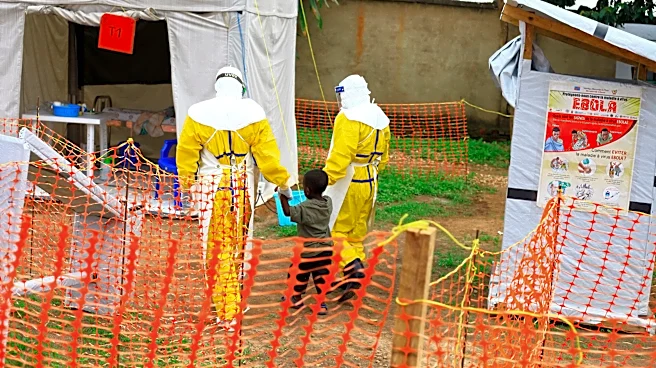
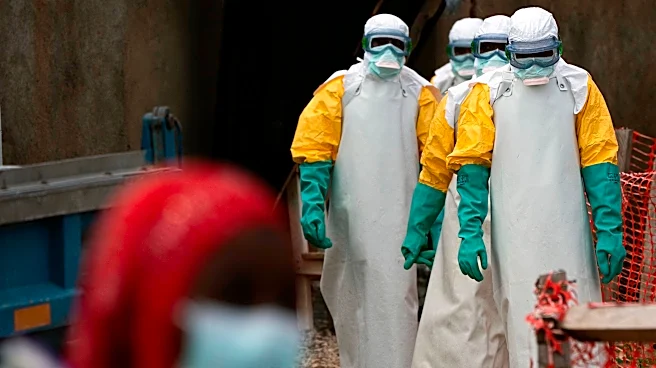
The U.S. Centers for Disease Control and Prevention (CDC) has confirmed that one American doctor has tested positive for a rare strain of the Ebola virus in the Democratic Republic of the Congo (DRC), with six other Americans exposed. The CDC's Ebola response
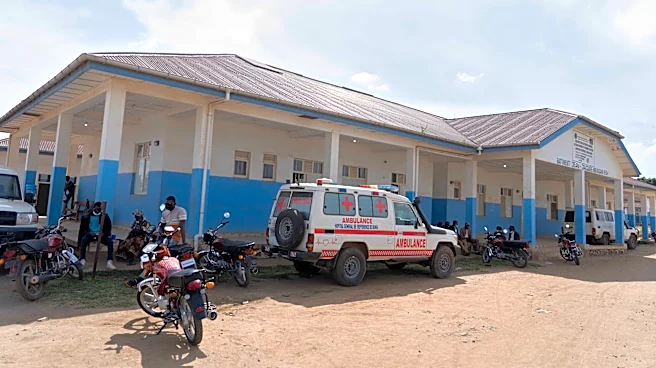
incident manager, Dr. Satish Pillai, announced that the infected individual developed symptoms over the weekend and tested positive late Sunday. The CDC is collaborating with the State Department to transport the affected individuals to Germany for treatment and monitoring. The outbreak, caused by the Bundibugyo virus, has been declared a public health emergency by the World Health Organization (WHO). As of May 18, there are over 300 suspected cases and 118 deaths in the DRC's Ituri and North Kivu provinces, with additional cases in Uganda. The CDC has advised Americans in the affected regions to take enhanced precautions.
Why It's Important?
The exposure of Americans to the Ebola virus in the DRC highlights the ongoing global health challenges posed by infectious diseases. The Bundibugyo strain, which has no approved drugs or vaccines, presents a significant public health concern due to its high fatality rate, estimated between 25% and 40%. The CDC's swift response in coordinating treatment and monitoring efforts underscores the importance of international collaboration in managing such outbreaks. The situation also raises concerns about the potential spread of the virus beyond the affected regions, although the CDC has stated that the risk to the United States remains low. The outbreak's declaration as a public health emergency by the WHO emphasizes the need for continued vigilance and preparedness in addressing global health threats.
What's Next?
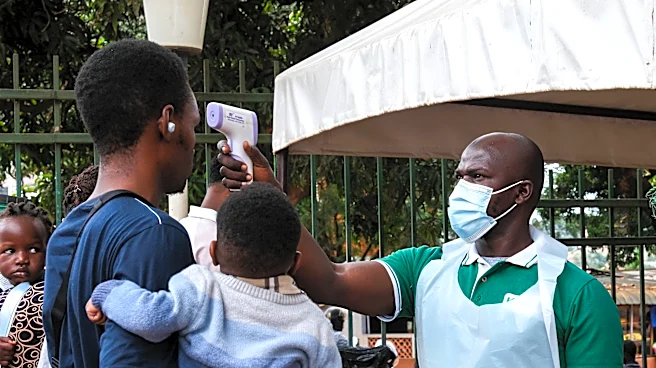
In response to the outbreak, the U.S. has implemented travel restrictions, suspending entry for non-U.S. passport holders who have recently been in the DRC, Uganda, or South Sudan. The CDC is working with airlines and international partners to identify and manage travelers who may have been exposed to the virus. The WHO continues to monitor the situation, although it has advised against closing international borders, citing significant uncertainties about the true number of infected individuals and the geographic spread of the virus. Ongoing efforts will focus on containment and prevention measures to mitigate the risk of further transmission.