




What's Happening?
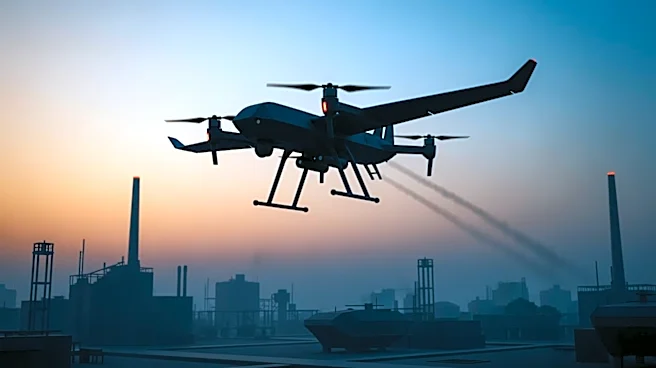
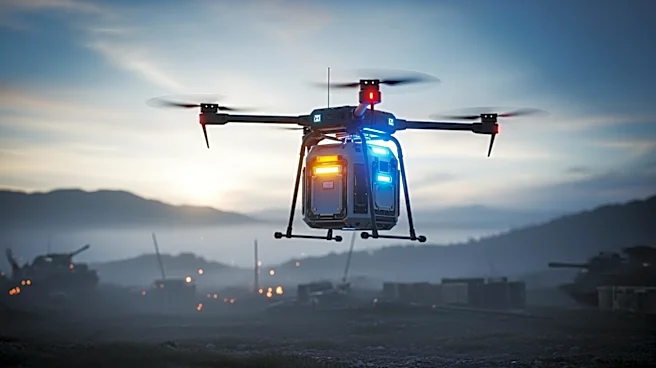
Ukraine is undergoing a significant transformation in its military logistics and defense capabilities through the extensive use of unmanned ground vehicles (UGVs). In March 2026, Ukraine's military deployed over 9,000 combat and logistics missions using
these vehicles, a substantial increase from previous months. The Ukrainian Defense Ministry has reported that the number of units utilizing UGVs rose from 67 in November 2025 to 167 in March 2026. This shift is part of a broader strategy to enhance frontline logistics, with Defense Minister Mykhailo Fedorov aiming for 100% of these operations to be performed by robotic systems. The use of drones is not only replacing soldiers in certain tasks but also ensuring the supply and evacuation of troops, thereby keeping them in the fight longer. This development comes amid ongoing challenges in delivering essential supplies to the front lines, as Russian forces continue to target Ukrainian logistics.
Why It's Important?
The integration of drones into Ukraine's military logistics represents a pivotal shift in modern warfare, emphasizing the role of technology in enhancing operational efficiency and soldier safety. By automating logistics, Ukraine can maintain a more resilient supply chain, crucial for sustaining its defense efforts against Russian aggression. This technological advancement could set a precedent for other nations, highlighting the potential of unmanned systems in military operations. The increased use of drones also raises ethical and strategic considerations, as it shifts the dynamics of warfare and the role of human soldiers. For the U.S. and its allies, observing Ukraine's implementation of drone logistics offers valuable insights into future military strategies and the potential for similar applications in their own defense systems.
What's Next?
Ukraine plans to continue expanding its use of unmanned systems, with expectations to contract 25,000 UGVs in the first half of 2026. This expansion will likely enhance Ukraine's ability to conduct operations with reduced human risk and increased efficiency. The U.S. military is also exploring similar technologies, seeking unmanned vehicles for resupply and casualty evacuation to mitigate vulnerabilities in frontline logistics. As these technologies evolve, there will be ongoing discussions about the ethical implications of autonomous systems in warfare, particularly concerning the balance between human control and machine autonomy. The international community will be closely monitoring these developments, as they could influence future military doctrines and the global arms race in unmanned technologies.
Beyond the Headlines
The use of drones in military logistics not only transforms battlefield operations but also raises important ethical and legal questions. Human Rights Watch and other organizations have expressed concerns about the automation of warfare, emphasizing the need for meaningful human control over life-and-death decisions. The debate over 'killer robots' and the role of AI in military operations is likely to intensify as these technologies become more prevalent. Additionally, the reliance on drones for logistics highlights the increasing transparency of modern battlefields, where surveillance and rapid response capabilities are crucial. This shift could lead to new military strategies focused on minimizing human exposure and maximizing technological advantages.