







What's Happening?
Between January and September 2026, travel risk intelligence provider Riskline issued more than 1,300 flood-related alerts worldwide. This data, detailed in their latest Flooding Informer report, underscores the significant disruption caused by extreme
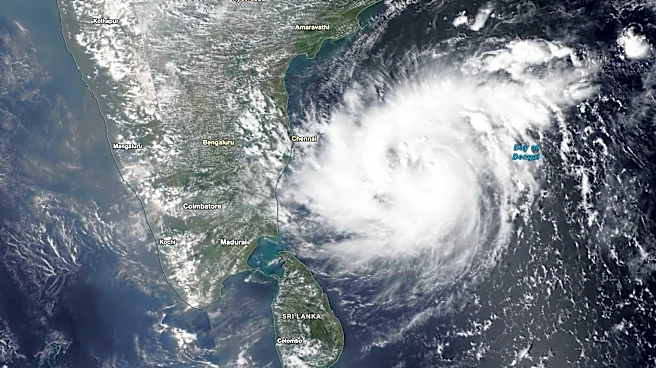
weather events to global transport networks and essential services. Major incidents were observed across Asia Pacific, Europe, Africa, and the Americas. For instance, catastrophic flooding in Nepal in August resulted in over 1,400 fatalities and thousands missing, while monsoon flooding in India's Assam state affected approximately 1.2 million people. European transport systems also faced considerable disruption, with Storm Harry impacting rail and air services in Sicily and Storm Leonardo leading to evacuations in southern Spain and the temporary closure of Córdoba Airport. Southern Africa experienced heavy rainfall and cyclones from December 2025 to February 2026, affecting an estimated 1.5 million individuals. Beyond immediate travel issues, Riskline warned of increased health risks, including contaminated drinking water, damaged sanitation, and reduced access to medical facilities.
Why It's Important?
The widespread and frequent flood alerts issued by Riskline highlight a growing challenge for global travel and public health, with significant implications for U.S. citizens traveling internationally. The disruption to transport networks can lead to canceled flights, stranded travelers, and difficulties in accessing critical services, potentially affecting travel insurance claims and emergency assistance operations for Americans abroad. The heightened health risks, such as waterborne diseases like leptospirosis (with 13,158 cases recorded in the Philippines by October 7) and mosquito-borne illnesses, pose direct threats to traveler well-being. For U.S. businesses with international operations or employees, these disruptions can impact supply chains, project timelines, and employee safety. The long-term consequences, including infrastructure damage and restricted healthcare access, complicate medical referrals and emergency evacuations, making international travel riskier and more complex for U.S. individuals and organizations.
What's Next?
Riskline recommends that travelers and organizations monitor official warnings, review evacuation procedures, and identify alternative transport arrangements to mitigate exposure to flood-related disruptions. This proactive approach will become increasingly crucial as extreme weather events continue to impact global travel. For U.S. travelers, this means a greater need for comprehensive travel insurance that covers weather-related disruptions and medical emergencies in affected regions. Travel advisories from government bodies, such as the U.S. Department of State, are likely to reflect these growing risks, potentially leading to increased caution or restrictions for certain destinations. Businesses involved in international travel and logistics will need to adapt their strategies to account for more frequent and severe weather-related interruptions, potentially investing in more resilient infrastructure and flexible operational plans.
Beyond the Headlines
The consistent issuance of numerous flood alerts by Riskline points to a broader, long-term shift in global travel patterns and risk assessment driven by climate change. This development suggests that extreme weather events are no longer isolated incidents but rather a recurring factor that must be integrated into all aspects of international travel planning and risk management. The implications extend beyond immediate travel disruptions to include ethical considerations regarding responsible tourism in vulnerable regions and the equitable distribution of resources for disaster preparedness and recovery. For the U.S., this trend could influence foreign policy related to climate resilience and international aid, as well as impact the travel and tourism industry's economic models. The increasing frequency of such events may also lead to innovations in travel technology for real-time risk assessment and communication, fundamentally altering how individuals and corporations approach international mobility.