





What's Happening?
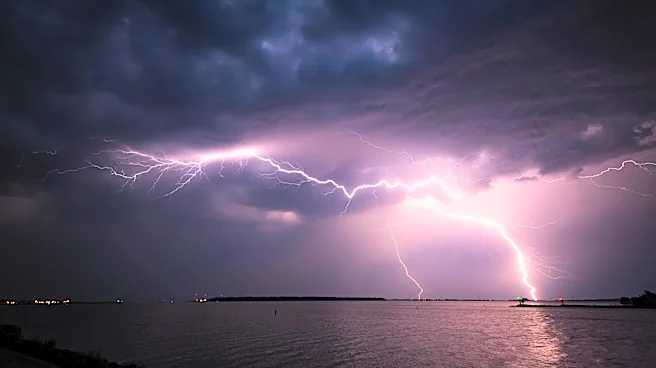
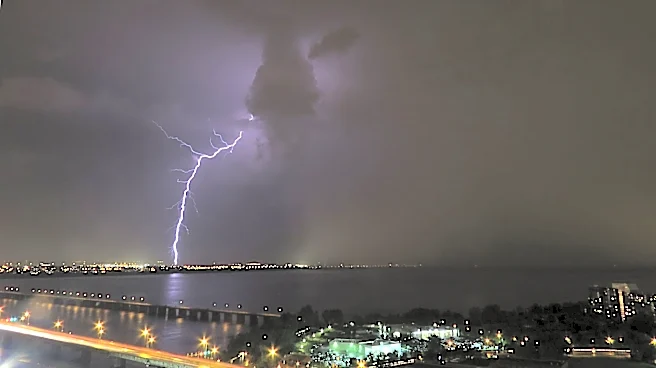
Thomas Fahmy, a staffer for Rep. Nicole Malliotakis (R-NY), miraculously survived being struck by lightning in the Todt Hill neighborhood of Staten Island. The incident occurred while Fahmy was walking to his car and was captured on video. The footage
shows Fahmy collapsing after the strike, reporting an intense burning sensation, tingling, numbness, and severe pain in both feet. Following the strike, Fahmy managed to seek assistance from a nearby resident, Stephanie Homan, who provided immediate help. He was subsequently transported to Northwell Staten Island University Hospital for treatment. After spending the night for observation and care, Fahmy was released from the hospital the following day. Rep. Malliotakis issued a public statement expressing her gratitude and relief, thanking Homan for her quick actions and the medical staff at Staten Island University Hospital for their emergency care.
Why It's Important?
This incident highlights the unpredictable and severe dangers posed by lightning strikes, even in urban environments. While direct lightning strikes are less common than other forms of lightning-related injuries, they are often the most deadly, as noted by the National Weather Service (NWS). Fahmy's survival without severe burns or major injuries is considered remarkable, underscoring the element of chance in such events. The quick response from a good Samaritan and efficient emergency medical services played a crucial role in his positive outcome. The event serves as a stark reminder for public awareness regarding lightning safety during thunderstorms, emphasizing the need for immediate shelter and caution when severe weather is present. For public figures like Rep. Malliotakis, such incidents involving staff can also draw attention to community safety and emergency preparedness.
What's Next?
Following this incident, there are no immediate legislative or policy changes expected directly related to lightning strikes, as they are natural phenomena. However, the event may serve as a renewed prompt for local authorities and weather services to reinforce public safety campaigns regarding thunderstorm preparedness and lightning awareness, especially during peak storm seasons. Individuals and communities might be encouraged to review and update their emergency response plans. For Thomas Fahmy, the immediate next steps will involve continued recovery and monitoring for any delayed health effects, as lightning strikes can sometimes have long-term impacts on the cardiovascular and nervous systems. Rep. Malliotakis's office will likely continue to support Fahmy during his recovery.
Beyond the Headlines
Beyond the immediate shock and relief of Fahmy's survival, this event subtly underscores the role of community vigilance and immediate human response in crisis situations. The quick action of Stephanie Homan, the resident who assisted Fahmy, exemplifies the critical importance of bystander intervention in emergencies. Such incidents often prompt broader discussions on public safety infrastructure, including the effectiveness of weather alert systems and the general public's understanding of severe weather protocols. From a scientific perspective, Fahmy's case, given his survival without severe external injuries, could be of interest in understanding the varied physiological impacts of lightning strikes, which often involve current moving along and just over the skin surface (flashover) as well as through the body's systems.