





What's Happening?
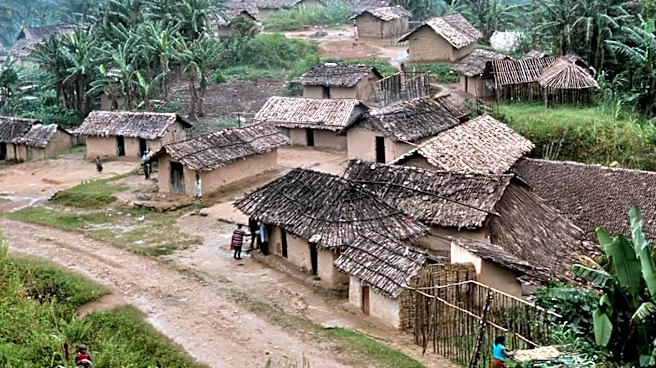
The Benet Mosopisyek, an Indigenous community residing near Uganda's Mt. Elgon National Park, are engaged in a prolonged struggle to reclaim access to their ancestral territories. These lands, now designated as a national park, were historically inhabited
by the Benet Mosopisyek but have been subject to displacement and violence by the Ugandan government for decades under the guise of conservation. Despite being legally subsumed into a neighboring majority population for census purposes, the Benet Mosopisyek assert their distinct Indigenous identity and have been politically active for over fifty years to maintain it. They have initiated an international political and legal campaign, demonstrating a sophisticated understanding of both domestic and international law, to secure recognition and protection as an Indigenous group. Their ultimate goal is to regain access to their ancestral lands, challenging the 'Fortress Conservation' approach that has led to their dispossession. The community has achieved some successes in domestic courts and has built a robust coalition of international actors to support their cause.
Why It's Important?
This case highlights the complex interplay between conservation efforts, Indigenous rights, and national sovereignty, with significant implications for how similar conflicts are addressed globally. The Benet Mosopisyek's strategic use of international law and political advocacy sets a precedent for other Indigenous communities facing displacement due to environmental protection initiatives. Their efforts underscore the expressive political power inherent in asserting human rights violations against state apparatuses, even when legal efficacy is not immediately guaranteed. The outcome of their campaign could influence international standards for Indigenous land rights and the responsibilities of nations to their Indigenous populations, particularly in areas designated for conservation. It also brings to light the ethical considerations of conservation policies that prioritize natural preservation over the historical and cultural ties of Indigenous peoples to their lands.
What's Next?
The Benet Mosopisyek community continues its campaign, actively working towards the realization of promised reparations in domestic legal arenas. Should domestic remedies prove insufficient, they are prepared to escalate their cases to the international stage. Concurrently, they are maintaining an effective political coalition of global actors dedicated to improving their material conditions, which is the overarching aim of their rights claims. The community's strategic assessment is that successfully arguing their status as subjects of denied rights will pave the way for the fuller material realization of these rights through political action. The ongoing nature of their struggle suggests continued legal and political engagement, potentially leading to landmark decisions or policy shifts regarding Indigenous land rights and conservation practices.
Beyond the Headlines
The struggle of the Benet Mosopisyek delves into the deeper ethical and cultural dimensions of land ownership and environmental stewardship. It challenges the notion that pristine natural environments are devoid of human history, revealing how conservation efforts can inadvertently perpetuate colonial-era displacements and injustices. The community's emphasis on self-representation and the intentional cultivation of their Indigenous identity in response to political pressures highlights the performative aspects of rights claims in the international arena. This case also raises questions about the universality of human rights instruments, particularly 'soft law' documents, and their practical application in situations where state interests conflict with Indigenous entitlements. The long-term implications could include a re-evaluation of conservation models to incorporate Indigenous knowledge and land management practices, fostering more equitable and sustainable approaches to environmental protection.