





What's Happening?
Security Aviation has identified the pilots who died in a plane crash last month near Cape Newenham in Southwest Alaska. Captain Dave Furber, 73, of Anchorage, and First Officer Sergei Zelenkov II, 34, of Chugiak, were piloting a twin-engine Cessna Conquest
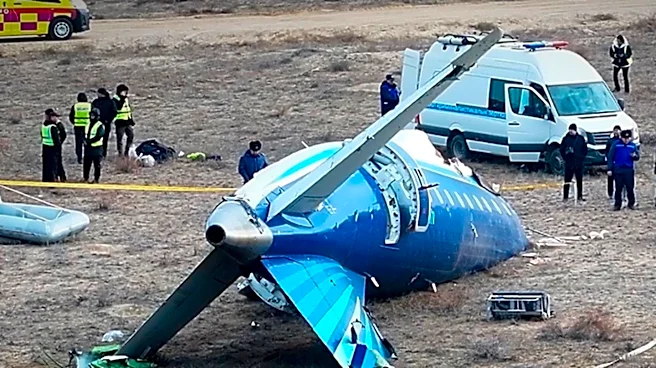
that crashed on August 20. The aircraft was attempting to land at the Cape Newenham Long Range Radar Site Airport when it hit mountainous terrain in foggy conditions. All eight people on board, including six passengers, perished in the fiery crash. The company was contracted by the U.S. Army Corps of Engineers to transport personnel from Ted Stevens Anchorage International Airport to the remote radar site, approximately 450 miles southwest of Anchorage. The six passengers included Army Corps of Engineers employees Sabrina Hansen and Hayden Scalis, U.S. Air Force 2nd Lt. Leah Borsich, and contractors Trevor McWilliams, Joseph “Joe” Palmer, and Tom Fisher. They were traveling to the site for various work duties, including routine maintenance and inspection of a new fire suppression system. Investigators have indicated that low visibility due to fog and mist led the pilots to abort at least one landing attempt after missing the approach.
Why It's Important?
This incident highlights the inherent risks associated with aviation in remote and challenging weather conditions, particularly in regions like Southwest Alaska. The loss of experienced pilots and essential personnel underscores the critical nature of safety protocols and weather assessments for flights to isolated facilities. The radar site, a Cold War-era facility managed by the Pacific Air Forces Regional Support Center, is vital for tracking aircraft in Alaskan airspace and along its borders, with contractors primarily operating these sites. The crash disrupts critical operations and personnel deployment for national defense infrastructure. The ongoing investigation by the National Transportation Safety Board (NTSB) is crucial for identifying contributing factors and potentially implementing new safety measures or reinforcing existing ones to prevent similar tragedies. The incident also brings to light the dangers faced by individuals working in support of remote national security installations.
What's Next?
The National Transportation Safety Board (NTSB) is expected to release its preliminary report on the crash next week, which will provide initial details of the investigation. Security Aviation has stated its full cooperation with federal agencies involved in the inquiry. The NTSB's findings will be critical in understanding the sequence of events leading to the crash and may inform future aviation safety recommendations for flights operating in similar challenging environments. While Alaska State Troopers have yet to positively identify all remains, the employers of all eight individuals have confirmed their identities. The aviation community and federal agencies will closely monitor the NTSB's report for insights into potential systemic issues or specific factors that contributed to this tragic event, which could lead to changes in operational procedures or equipment requirements for flights to remote Alaskan sites.