





What's Happening?
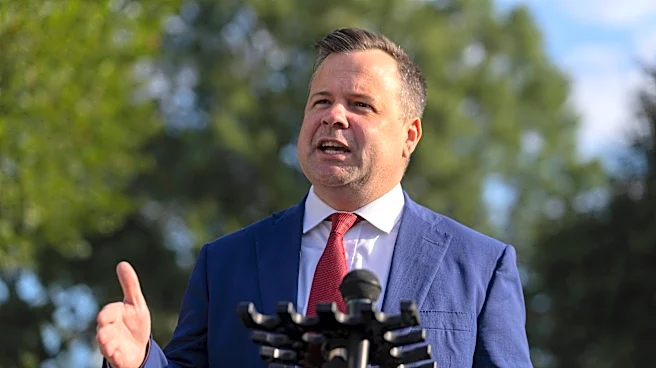
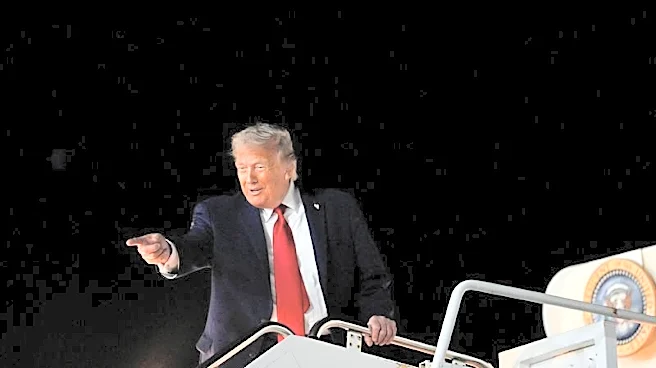
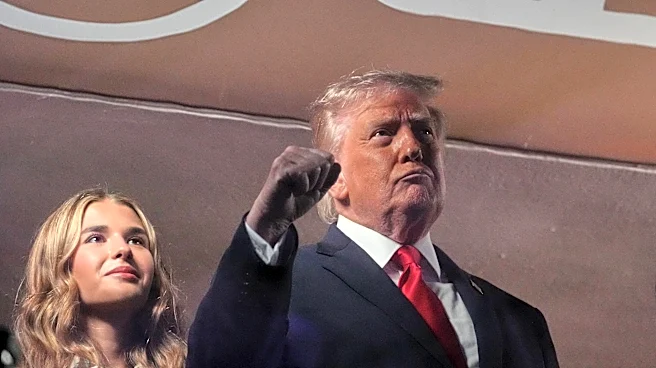
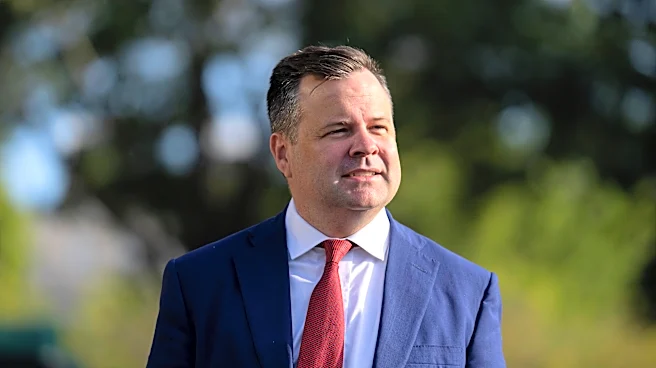
President Trump has reaffirmed his support for Bill Pulte as acting director of national intelligence, despite bipartisan opposition. This decision coincides with discussions in Congress regarding a short-term extension of the Foreign Intelligence Surveillance
Act (FISA), specifically Section 702, which is set to expire soon. House Speaker Mike Johnson has proposed a temporary extension to maintain national security capabilities, but Democrats have expressed resistance due to Pulte's nomination. The extension requires approval from both the House and Senate, with significant political maneuvering expected.
Why It's Important?
The debate over FISA's extension highlights the ongoing tension between national security needs and political appointments. Section 702 is crucial for intelligence operations, allowing surveillance of foreign communications that may involve U.S. citizens. The controversy surrounding Pulte's nomination underscores concerns about the politicization of intelligence roles. The outcome of this debate could impact the effectiveness of U.S. intelligence operations and set precedents for future appointments. The situation also reflects broader partisan divides in Congress, affecting legislative processes and national security policies.
What's Next?
The House is set to vote on the FISA extension, with potential implications for national security if the measure fails. The Senate's response will be critical, as bipartisan support is necessary for the extension's approval. The controversy over Pulte's nomination may lead to further political negotiations, with Democrats likely to push for alternative candidates. The resolution of this issue will influence the administration's ability to implement its intelligence agenda and could affect future legislative collaborations between parties.