






What's Happening?
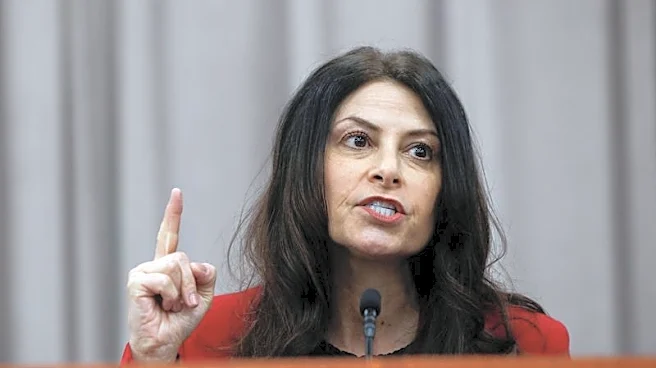
The Michigan Democratic Party has officially announced its nominees for the upcoming November 2026 elections, focusing on two significant positions: Attorney General and Secretary of State. This announcement marks a critical step in the party's preparation
for the elections, as these roles are pivotal in shaping the state's legal and administrative landscape. The selection of candidates for these positions is part of a broader strategy to maintain or gain control in state governance, reflecting the party's priorities and policy directions. The nominees are expected to campaign on issues pertinent to Michigan voters, including voting rights, legal reforms, and administrative efficiency.
Why It's Important?
The selection of nominees for Attorney General and Secretary of State is crucial as these positions hold significant influence over state legal proceedings and the administration of elections. The Attorney General plays a key role in legal interpretations and enforcement of state laws, impacting everything from consumer protection to criminal justice. Meanwhile, the Secretary of State oversees election processes, which is particularly important in ensuring fair and transparent elections. The outcomes of these races could affect policy implementation and governance in Michigan, influencing both local and national political dynamics. The Democratic Party's choices reflect their strategic priorities and could sway voter turnout and engagement.
What's Next?
As the November 2026 elections approach, the Democratic nominees will begin their campaigns, focusing on key issues that resonate with Michigan voters. They will likely address topics such as election integrity, legal reforms, and administrative transparency. The campaigns will also involve debates, public appearances, and policy discussions aimed at differentiating themselves from their opponents. Voter engagement efforts will be crucial, as both parties aim to mobilize their bases and appeal to undecided voters. The outcomes of these elections will be closely watched, as they could signal broader political trends and influence future legislative agendas.