





What's Happening?
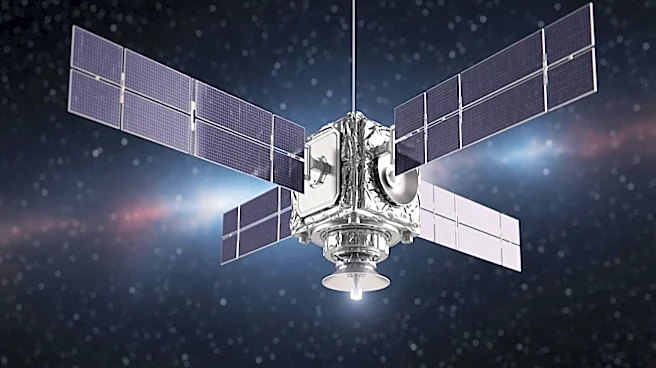
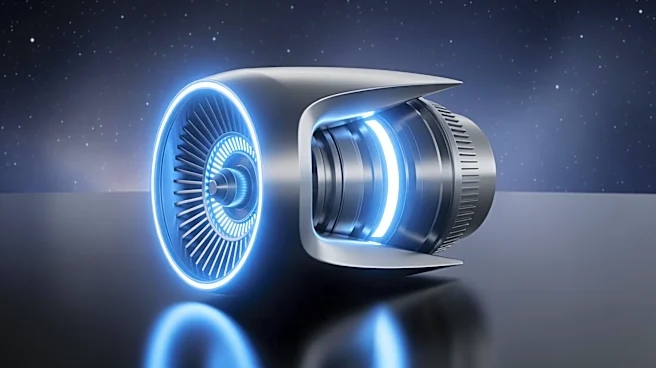
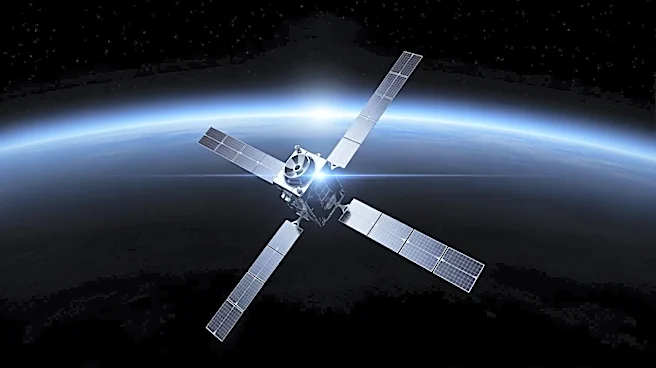
A new propulsion system developed by MIT, which combines chemical and electrical propulsion in a single package, is set to undergo in-space testing. This system, part of NASA's Green Propulsion Dual Mode mission, aims to provide small satellites with
more versatile and efficient propulsion capabilities. The system uses a green monopropellant called ASCENT, which is less toxic than traditional fuels and has been tested on the ground. The upcoming test will determine its effectiveness in space, potentially paving the way for more advanced satellite missions.
Why It's Important?
The development of a dual-mode propulsion system could significantly enhance the capabilities of small satellites, allowing them to perform more complex missions with greater efficiency. This innovation could lead to cost savings and increased flexibility in satellite operations, benefiting both commercial and scientific endeavors. The use of a greener propellant also aligns with broader efforts to reduce the environmental impact of space exploration. Successful in-space testing could accelerate the adoption of this technology, supporting NASA's goals for deeper space exploration.