





What's Happening?
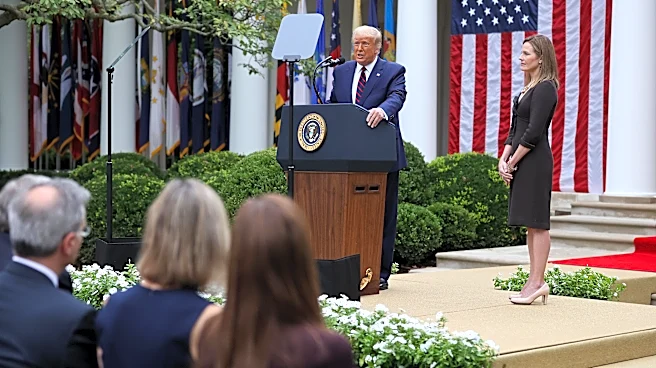
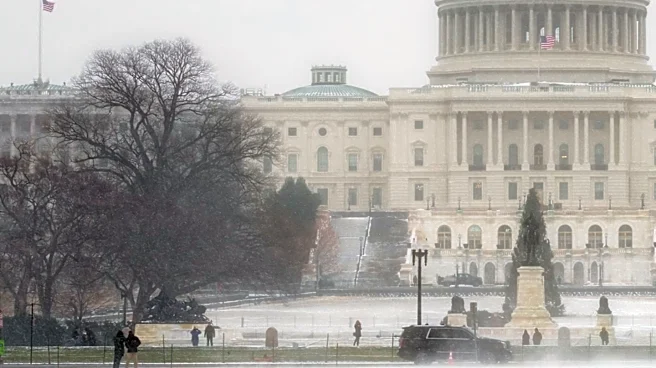
President Trump's address marking the 250th anniversary of the United States was delayed by four hours due to lightning storms in Washington, D.C. The extreme weather conditions caused the crowd to disperse temporarily. Despite the delay, President Trump delivered
a speech characterized by a dystopian tone, which followed a white nationalist march in the capital. The event was part of a series of celebrations that have been criticized for being self-serving and lacking in joy. The address and the surrounding events have sparked discussions on how the milestone anniversary is being perceived both domestically and internationally.
Why It's Important?
The delay and the nature of President Trump's address highlight the ongoing polarization in U.S. politics. The speech, described as highly politicized, reflects the contentious atmosphere surrounding national celebrations under the current administration. The inclusion of a white nationalist march in the day's events underscores the divisions within American society. Internationally, the way the U.S. is marking its 250th anniversary is being closely watched, with global perspectives on America's role and image in the world being shaped by these events. The situation illustrates the challenges in uniting the country during significant national milestones.
What's Next?
Future reactions from political leaders and the public are likely to focus on the implications of the address and the associated events. There may be increased scrutiny on how national celebrations are organized and the messages they convey. The administration may face pressure to address the criticisms and to foster a more inclusive approach to national milestones. Additionally, international observers will continue to assess the impact of these events on America's global standing and its diplomatic relationships.
Beyond the Headlines
The events surrounding the 250th anniversary celebration raise questions about the ethical and cultural dimensions of national identity and unity. The presence of a white nationalist march and the tone of the address may contribute to ongoing debates about race, nationalism, and the values that define America. These discussions could influence future policy decisions and cultural narratives, potentially leading to long-term shifts in how the nation commemorates its history and projects its identity both domestically and abroad.