






What's Happening?
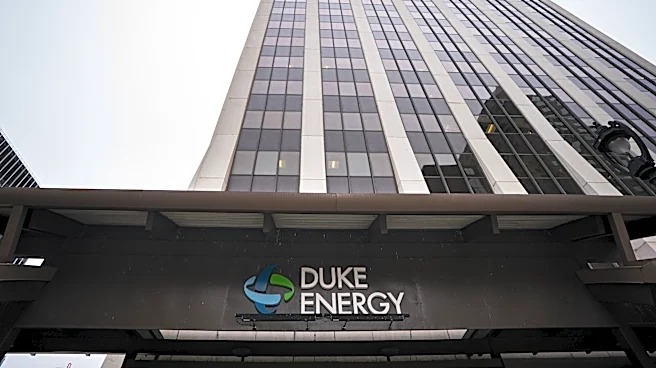
North Carolina utility regulators have approved a two-year rate increase for Duke Energy customers, alongside new rules for data centers, in response to growing energy demand. The N.C. Utilities Commission's decision will impact customers of both Duke Energy Progress
and Duke Energy Carolinas. Residential customers of Duke Energy Progress are projected to see a combined 9.3% increase in monthly bills by 2028, while Duke Energy Carolinas customers will experience a 9.5% increase. Industrial users will face a lower increase compared to residential customers. Specifically, Duke Energy Progress customers will see a monthly increase of $9.62 starting January 1, 2027, followed by another $5.89 increase in January 2028. Duke Energy Carolinas customers will see a $6.53 increase in January 2027, with an additional $4.66 increase in January 2028. These increases are attributed to rising electricity demand from population growth, economic development, and the proliferation of data centers in the state.
Why It's Important?
This rate increase will significantly impact North Carolina households, many of whom are already struggling with rising utility costs. The average utility customer in the state has seen their electric bill climb by over 23% between 2019 and 2024, outpacing inflation. For residents like Midori Brooks, a part-time community health worker, these hikes necessitate difficult financial adjustments, such as altering grocery shopping habits. The new data center rules are also crucial, as the Utilities Commission noted that the rapid growth of data centers poses risks to existing customers. If planned data centers do not materialize or reduce consumption, other customers could bear the cost of infrastructure investments. Consumer advocates have criticized the decision, arguing that it locks in rate increases without sufficient assistance for those most in need, highlighting a growing affordability crisis for essential services.
What's Next?
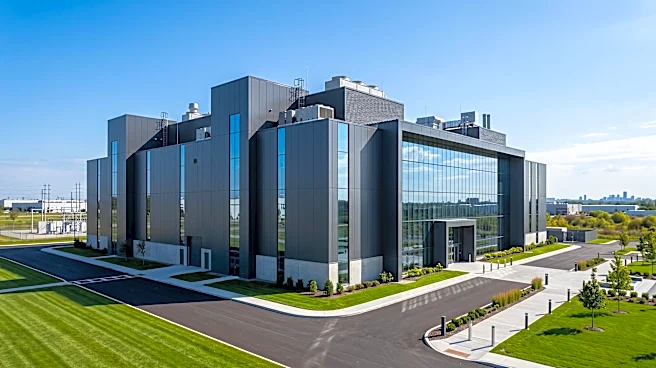
The approved rate increases for Duke Energy customers will begin on January 1, 2027, with a second phase of increases taking effect on January 1, 2028. Data centers with electricity demands of at least 50 megawatts will be subject to a separate electricity rate schedule and will be required to fund dedicated infrastructure and pay demand charges based on at least 75% of their contract power demand. Consumer advocacy groups, such as the North Carolina Justice Center, are likely to continue advocating for extended payment assistance programs to help customers manage these rising costs. The long-term implications will involve monitoring the impact of these new rules on data center development and ensuring that existing customers are not unduly burdened by the energy demands of new industrial users.
Beyond the Headlines
The decision by North Carolina regulators highlights a broader national challenge of balancing energy demand from new industries, like data centers, with the affordability concerns of residential consumers. The imposition of specific rate schedules and infrastructure funding requirements for large data centers signals a shift towards holding high-demand users more accountable for their energy footprint. This could set a precedent for other states grappling with similar issues, potentially influencing how energy infrastructure is financed and how costs are distributed among different customer classes. The ethical dimension of ensuring equitable access to affordable energy, especially for vulnerable populations, remains a critical concern as states navigate the complexities of economic growth and energy transition.