
What's Happening?
Duke Energy, one of the largest energy holding companies in the United States, is urging its customers in the Carolinas to reduce their energy consumption due to an extreme cold weather event. Temperatures
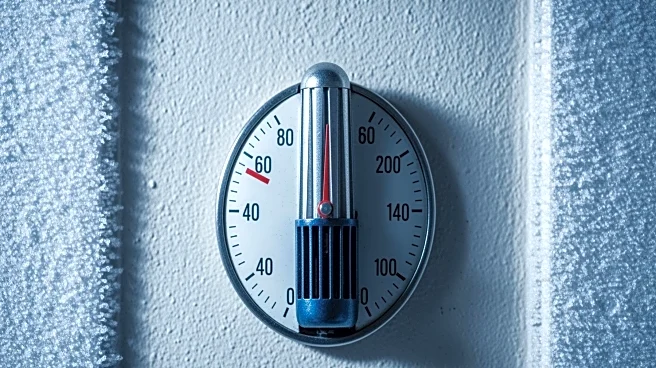
are reported to be 10 to 20 degrees below normal, leading to an unusually high demand for energy across the East Coast. To mitigate the risk of temporary power outages, Duke Energy has asked customers to voluntarily cut back on energy use between 4 a.m. and 10 a.m. on February 2, 2026. Suggested measures include lowering thermostats to the lowest comfortable setting, avoiding the use of major appliances, and turning off unnecessary lights and devices. The company is also working with large commercial and industrial customers through demand response programs to manage the grid's load effectively.
Why It's Important?
The call for energy conservation by Duke Energy highlights the challenges utilities face in maintaining grid stability during extreme weather conditions. The situation underscores the importance of energy efficiency and demand management in preventing outages and ensuring reliable service. For consumers, this request emphasizes the role they play in supporting grid stability through responsible energy use. The event also reflects broader trends in the energy sector, where utilities are increasingly investing in grid upgrades and cleaner energy sources to enhance resilience against climate-induced disruptions. The cooperation of customers in such scenarios is crucial for utilities to manage demand spikes without resorting to more drastic measures like rolling blackouts.
What's Next?
As the cold weather persists, Duke Energy will continue to monitor the situation and may extend its request for energy conservation if necessary. The company is likely to keep engaging with its customers and stakeholders to ensure effective communication and cooperation. In the longer term, Duke Energy's ongoing investments in grid modernization and renewable energy sources aim to enhance the resilience of its infrastructure against similar future events. The company may also explore additional demand response strategies and technologies to better manage peak loads and improve service reliability.