






What's Happening?
Home Assistant is integrating Artificial Intelligence (AI) to improve user interaction and automation within smart homes. AI can assist in various ways, such as writing automations, explaining YAML code, summarizing sensor history, and interpreting natural-language
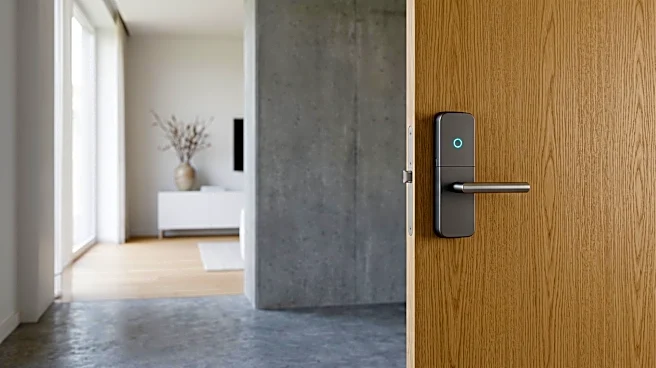
requests, making the smart home system more accessible. However, the platform stresses the importance of controlled access for AI. Users can explicitly choose which entities are exposed to the AI assistant, with recommendations to only grant access to what is strictly necessary. Sensitive devices like locks and garage doors are highlighted as examples where unrestricted AI control could pose significant risks. The system advocates for a hybrid approach, combining deterministic automations for critical functions with AI for interpretation and assistance, ensuring that human oversight remains paramount for high-impact decisions.
Why It's Important?
The integration of AI into Home Assistant marks a significant step in smart home technology, offering both enhanced convenience and potential security challenges. By making complex home automation tasks more approachable through natural language processing and AI-assisted development, it could broaden the appeal of smart home systems to a wider user base. This development is crucial for the U.S. smart home market, which relies on user-friendly interfaces to drive adoption. The emphasis on controlled access and the distinction between AI interpretation and deterministic control is vital for maintaining security and user trust. Without proper safeguards, the risk of AI misinterpretations leading to unintended actions with sensitive devices could undermine confidence in smart home technologies. This approach aims to balance innovation with practical safety, influencing how future smart home platforms might design their AI integrations.
What's Next?
The future development of AI in Home Assistant will likely focus on refining the balance between AI assistance and deterministic control. Users can expect continued improvements in AI's ability to interpret complex requests and provide insights into home data, such as identifying unusual energy consumption patterns or suggesting maintenance based on sensor readings. The platform will probably further develop its 'script' functionality, allowing AI to invoke predefined, safe sequences of actions rather than having direct, unfettered control over individual devices. This approach will enable AI to act as a 'developer' for automations, helping users build robust systems, while Home Assistant remains the 'runtime' executing defined logic. The ongoing challenge will be to educate users on best practices for AI access and permissions, ensuring that the benefits of AI are realized without compromising security or reliability.
Beyond the Headlines
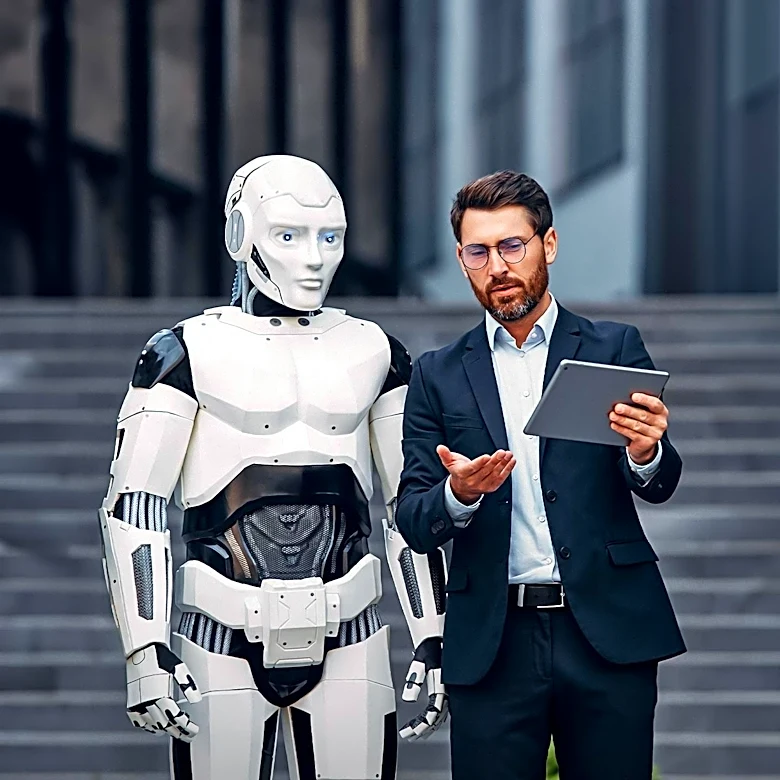
The cautious integration of AI into Home Assistant raises broader ethical and practical questions about autonomy and control in smart environments. The distinction between AI interpreting data and AI directly controlling devices highlights a fundamental tension in AI development: the desire for intelligent assistance versus the need for human accountability and safety. This model suggests a future where AI acts as a highly capable assistant, augmenting human decision-making rather than replacing it entirely, especially in contexts where errors carry significant consequences. This approach could set a precedent for other industries considering AI integration, emphasizing that 'local AI' does not eliminate the need for robust permissions and guardrails. It underscores the importance of well-structured systems and clear boundaries for AI, ensuring that technology serves human needs without introducing undue risk or complexity.