


What's Happening?
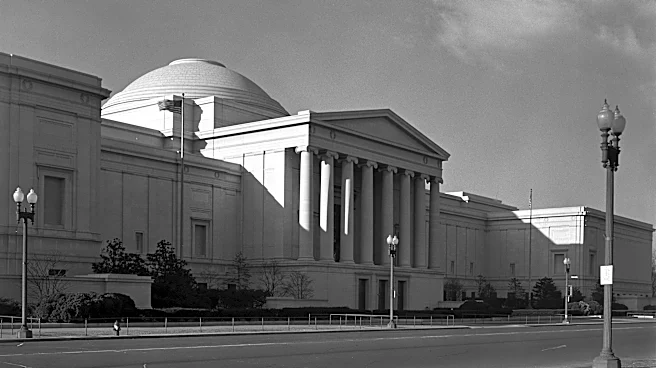
The National Gallery of Art has announced the second phase of its 'Across the Nation' lending program, an initiative designed to circulate masterworks from its collection to museums across the United States. This expansion is made possible by a significant
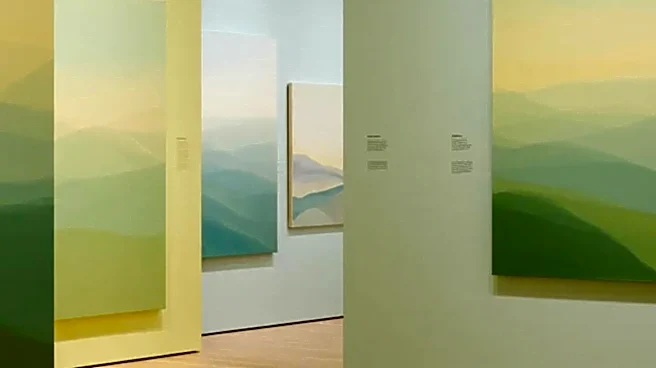
$116 million gift from the Mitchell P. Rales Family Foundation. The program, which began last year to commemorate America’s 250th anniversary, aims to lend art to museums in all fifty states within its first decade. Following its initial phase, which saw works travel to ten states, this new cycle will extend to Alabama, California, Ohio, Oklahoma, Pennsylvania, South Dakota, Texas, and Wisconsin. Partner institutions include the Crocker Art Museum, Dayton Art Institute, El Paso Museum of Art, Gilcrease Museum, Madison Museum of Contemporary Art, Mobile Museum of Art, South Dakota Art Museum, and the Westmoreland Museum of American Art. Each participating museum will receive important works, including historical and contemporary pieces spanning painting, sculpture, video, and installation, with loans scheduled to begin exhibition as early as summer 2027 and remain on view through 2029. Featured artists will include Claude Monet, Mark Rothko, Donald Judd, Georgia O’Keeffe, Sol LeWitt, Henri Matisse, Rembrandt, and Susie J. Lee.
Why It's Important?
This expansion of the 'Across the Nation' program is significant for increasing access to world-class art across the United States, particularly in regions that may have fewer opportunities to view such masterworks. The substantial $116 million gift underscores a growing philanthropic commitment to cultural enrichment and art accessibility. By distributing pieces from its extensive collection, the National Gallery of Art is fostering cultural education and appreciation beyond its Washington, D.C. headquarters. This initiative can stimulate local economies in the partner states by attracting visitors to these museums, potentially boosting tourism and related businesses. For the art community, it promotes collaboration between national and regional institutions, strengthening the overall museum ecosystem. Furthermore, exposing diverse audiences to a wide range of artistic styles and historical periods can inspire new generations of artists and art enthusiasts, contributing to the nation's cultural vibrancy and educational landscape.
What's Next?
The next steps for the 'Across the Nation' program involve the logistical planning and execution of these art loans to the eight new states, with exhibitions slated to begin in summer 2027 and continue through 2029. The National Gallery of Art will work closely with the partner museums to ensure the safe transport, installation, and display of these valuable artworks. This will likely involve detailed coordination regarding exhibition design, educational programming, and public engagement strategies at each venue. The program's long-term goal is to reach all fifty states within its first decade, suggesting that further phases and partnerships will be announced in the coming years. The success of these upcoming exhibitions will likely influence future funding and the scope of the program, potentially encouraging other major national institutions to adopt similar outreach initiatives. The Mitchell P. Rales Family Foundation's continued support or the emergence of new philanthropic partners could further accelerate the program's reach and impact.
Beyond the Headlines
The 'Across the Nation' program highlights a broader shift in the role of national cultural institutions, moving beyond static collections to active dissemination of art. This initiative addresses the geographical disparity in access to major art collections, democratizing art appreciation and potentially fostering a more unified national cultural identity. It also raises questions about the long-term care and preservation of artworks as they travel, and the ethical considerations of lending highly valuable pieces. The program's emphasis on both historical and contemporary works, including those by diverse artists, reflects a commitment to presenting a comprehensive narrative of art history. This could lead to a re-evaluation of how art is curated and presented to the public, encouraging more dynamic and inclusive approaches. Ultimately, this initiative could redefine the relationship between national art institutions and local communities, making art a more integral part of civic life across the country.