







What's Happening?
Dalilah's Law, a proposed piece of legislation, seeks to enhance safety standards in the trucking industry by enforcing English language proficiency and tightening regulations on non-domiciled commercial driver's licenses (CDLs). The legislation, mentioned
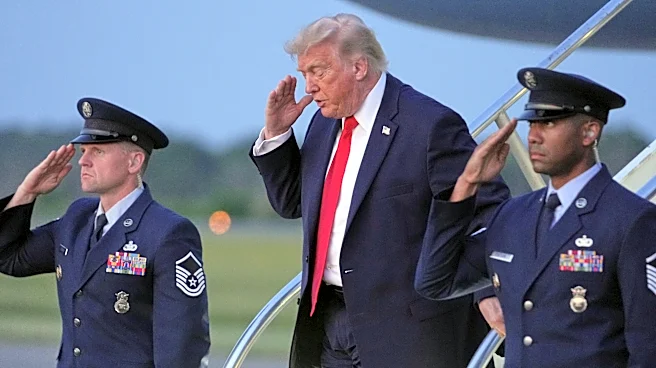
in President Trump's State of the Union address, has seen multiple iterations introduced in both the House and Senate. It aims to address safety gaps by prohibiting CDLs for undocumented immigrants and mandating English proficiency. The law is named after Dalilah Coleman, a child injured by a truck driver in the country illegally. The legislation targets 'CDL mills' and requires states to administer CDL exams only in English, addressing practices in states like California that offer tests in multiple languages.
Why It's Important?
The introduction of Dalilah's Law is significant as it addresses critical safety concerns in the trucking industry, which is vital for U.S. commerce and transportation. By enforcing stricter language and licensing standards, the law aims to reduce accidents caused by communication failures and unqualified drivers. This legislation could lead to safer roads and fewer accidents, benefiting the public and the trucking industry. It also highlights the ongoing debate over immigration and employment regulations, as it seeks to prevent undocumented immigrants from obtaining CDLs. The law's emphasis on early intervention and accountability could set a precedent for future regulatory actions in the industry.
What's Next?
If passed, Dalilah's Law will require states to adjust their CDL testing practices, potentially leading to legal challenges or pushback from states with more lenient policies. The trucking industry may need to invest in additional training and compliance measures to meet the new standards. The legislation's progress will be closely watched by industry stakeholders, safety advocates, and policymakers, as it could influence future regulatory approaches in transportation safety. The law's impact on immigration policy and employment practices may also prompt broader discussions and legislative efforts in these areas.