







What's Happening?
NASA's Johnson Space Center has announced plans to increase the value of its Commercial Lunar Payload Services (CLPS) contract from $2.6 billion to $4.2 billion. This decision aims to ensure the continuity of services supporting NASA's lunar missions.
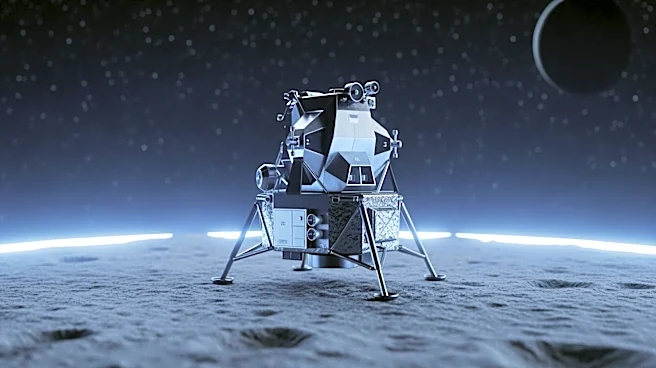
The CLPS program is designed to procure commercial delivery services for transporting science, technology, and exploration payloads to the moon. Through partnerships with U.S. companies, NASA provides end-to-end mission support, including payload integration, launch, landing, and surface operations. The initiative supports the Artemis campaign and aims to foster growth in the commercial space sector. NASA has already awarded multiple task orders under the program to deliver over 50 payloads to the lunar surface, which will help test technologies and gather data for future crewed missions.
Why It's Important?
The increase in the CLPS contract ceiling underscores NASA's commitment to accelerating lunar exploration and supporting the Artemis campaign. By leveraging commercial partnerships, NASA aims to enhance its capabilities in space exploration while fostering innovation and growth in the commercial space industry. This expansion is significant for U.S. companies involved in space technology, as it provides more opportunities for them to participate in lunar missions. The increased funding will likely lead to advancements in technology and infrastructure, benefiting both NASA and its commercial partners. Additionally, the program's success could pave the way for more ambitious space exploration projects, potentially leading to new scientific discoveries and economic opportunities.
What's Next?
NASA is preparing for the next phase of its commercial lunar delivery program through the planned CLPS 2.0 contract. The agency has issued a sources sought notice to gather industry feedback and shape the acquisition strategy for this follow-on effort. CLPS 2.0 is expected to expand on the current program by continuing to leverage commercial providers for end-to-end payload delivery services. The contract will cover the integration, transportation, and operation of NASA-sponsored payloads using contractor-provided capabilities, including launch vehicles, lunar landers, surface systems, and Earth re-entry assets. This next phase will likely involve more companies and could lead to further technological advancements and increased competition in the commercial space sector.