




What's Happening?
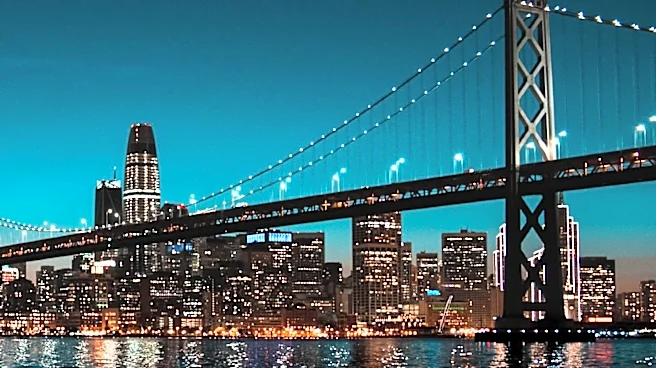
San Francisco elections are experiencing a significant decline in traditional field campaigns, where volunteers and staff engage voters directly at their homes. This shift is attributed to changes in the political communication landscape and practical
challenges. Historically, field campaigns, like those for Art Agnos's 1987 mayoral campaign and Nancy Pelosi's 1987 congressional race, were considered crucial for victory. However, modern San Francisco campaigns are increasingly relying on tech-driven communication strategies, such as targeted ads on social media platforms like YouTube, Twitch, TikTok, Facebook, and Instagram. This change is partly due to the difficulty of accessing voters in new security buildings and a general reluctance of residents to engage with campaign workers at their doors. While San Francisco is an outlier, field campaigns still thrive in other parts of the U.S., particularly in areas with less tech-oriented electorates.
Why It's Important?
The decline of traditional field campaigns in San Francisco elections signifies a fundamental transformation in how political campaigns engage with the electorate, with potential implications for democratic participation and representation. The shift towards tech-driven outreach may increase efficiency in reaching targeted demographics but could also exacerbate existing inequalities, as access to information becomes more dependent on digital literacy and online presence. It raises questions about the quality of political discourse, as online ads might offer less nuanced engagement compared to face-to-face interactions. For U.S. politics, this trend could lead to a less personal and more algorithm-driven campaign environment, potentially alienating voters who are not digitally connected or prefer traditional forms of engagement. The success of tech-driven campaigns in San Francisco might also influence strategies in other urban, tech-savvy areas, further altering the national campaign landscape.
What's Next?
The trend of declining field campaigns in San Francisco is expected to continue, with campaigns further investing in digital advertising and online engagement. Political professionals in the city are likely to refine their tech-driven strategies to reach undecided voters who are primarily accessible through digital platforms. However, the article suggests that Democrats, particularly in swing states, should consider re-emphasizing field campaigns for the 2027 and 2028 elections, as these remain effective grassroots strategies in many parts of the nation. This indicates a potential divergence in campaign tactics between highly urbanized, tech-forward areas like San Francisco and other regions. The effectiveness of these evolving strategies will be closely watched, as campaigns seek to balance technological innovation with the need for genuine voter connection.
Beyond the Headlines
This shift in campaign strategy in San Francisco reflects broader societal changes, including urbanization, increased security in residential buildings, and the pervasive influence of digital technology in daily life. The diminishing role of personal contact in political outreach could have profound effects on civic engagement and community building. When campaigns rely less on direct, human interaction, there's a risk of further atomizing the electorate, reducing opportunities for collective deliberation and the formation of shared political identity. It also raises ethical questions about data privacy and the potential for micro-targeting to create echo chambers or manipulate voter sentiment. The contrast with other parts of the U.S. where field campaigns still thrive highlights a growing divide in political communication methods, potentially leading to different forms of political participation and outcomes across the country.