






What's Happening?
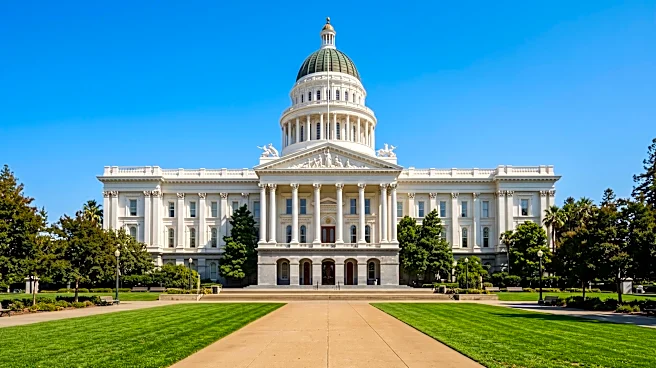
California lawmakers are set to vote on a bill designed to support wildfire survivors, following their rejection of Governor Gavin Newsom's more ambitious proposal that aimed to limit electric companies' financial liability for fires caused by their equipment.
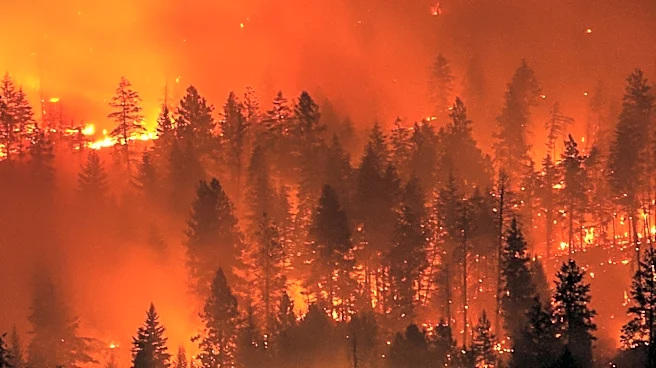
The compromise bill focuses on expediting payments to fire victims, prohibiting hedge funds from profiting from wildfire claims, and preventing utility executives from receiving bonuses if their company's equipment sparks a blaze that damages or destroys over 500 buildings. Governor Newsom's original plan, which did not garner sufficient legislative support, would have reduced the amount utilities had to pay some victims and barred insurance companies from suing electrical companies for reimbursement. The issue of who bears the cost of utility-sparked fires has been a contentious topic throughout Governor Newsom's tenure, especially given the state's history of destructive wildfires and the increasing frequency and intensity of blazes due to climate change.
Why It's Important?
This legislative development is critical for California's ongoing struggle with wildfires and the financial burden they impose. The rejection of Governor Newsom's broader liability plan signifies a victory for wildfire survivors and consumer advocacy groups, who argued that the original proposal prioritized utilities over victims. The compromise bill, while not as sweeping as the Governor intended, aims to provide more immediate relief to those affected by fires and introduces measures to increase accountability for utility executives. This could influence how utility companies operate and invest in fire prevention, as the threat of executive bonus forfeiture adds a direct financial incentive for safety. The debate also highlights the complex interplay between climate change, infrastructure, and financial responsibility, impacting electricity rates, insurance markets, and the overall economic stability of the state. The outcome reflects a delicate balance between protecting consumers, ensuring utility solvency, and addressing the devastating consequences of wildfires.
What's Next?
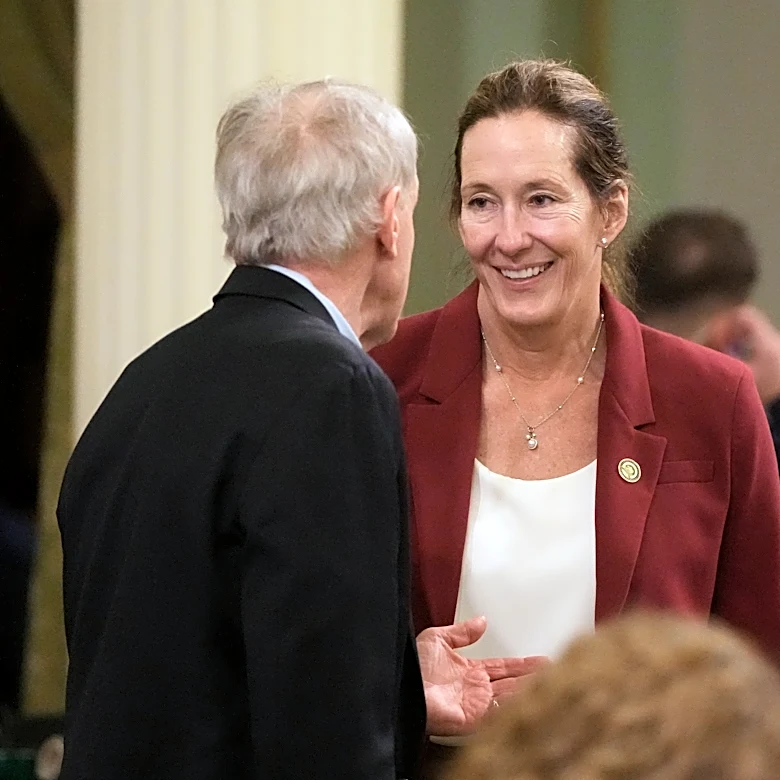
The bill is scheduled for a vote, and if approved by a two-thirds majority in the Legislature, it will proceed to Governor Gavin Newsom for his signature. Given the urgency clause attached to the bill, it would take effect immediately upon being signed into law. The California Catastrophe Response Council will then be tasked with appointing an administrator to establish a process for resolving survivor claims more quickly. While the American Property Casualty Insurance Association has expressed support for the deal, stating it protects Californians and helps stabilize the insurance market, some stakeholders remain critical. Pacific Gas & Electric (PG&E) has voiced disappointment, arguing the bill does not adequately address the financing risks or provide long-term solutions for victim compensation and utility financial risk. Assemblymember Rick Zbur and Katelyn Roedner Sutter of the Environmental Defense Fund also expressed concerns that the bill does not go far enough to address structural issues or lower fire risks and stabilize rates. These differing views suggest that the debate over wildfire liability and prevention in California is far from over, and further legislative or regulatory actions may be pursued in the future.
Beyond the Headlines
The ongoing legislative battle over wildfire liability in California reveals deeper systemic challenges related to climate change, corporate accountability, and social equity. The state's unique legal framework, which holds utilities liable for damages even without negligence, creates a complex financial landscape that impacts ratepayers, shareholders, and wildfire victims. The push to prevent hedge funds from profiting from wildfire claims and to hold utility executives accountable reflects a growing public demand for ethical governance and a rejection of perceived corporate opportunism in times of crisis. This situation could set a precedent for how other states or even federal entities address the financial fallout of climate-related disasters, emphasizing victim support and corporate responsibility. The compromise bill, while a step forward, also highlights the inherent difficulties in achieving comprehensive reform when powerful economic interests and diverse stakeholder needs are at play, underscoring the long-term societal shifts required to adapt to a changing climate.