








What's Happening?
The El Niño climate pattern, characterized by warmer than average waters in the central and eastern tropical Pacific Ocean, has solidified and is expected to influence weather patterns significantly through the 2026 hurricane season. According to the National
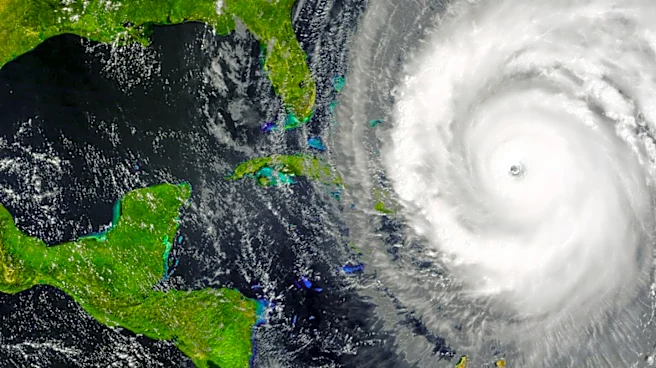
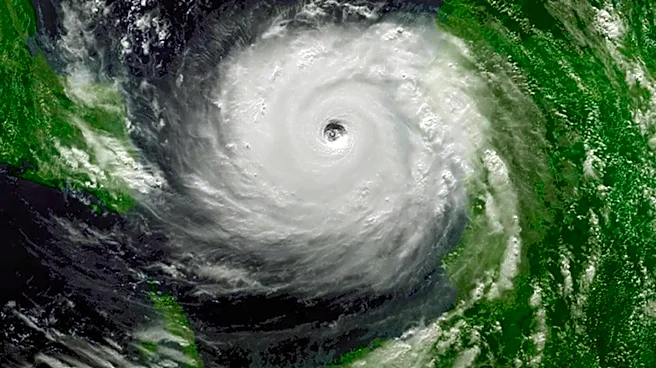
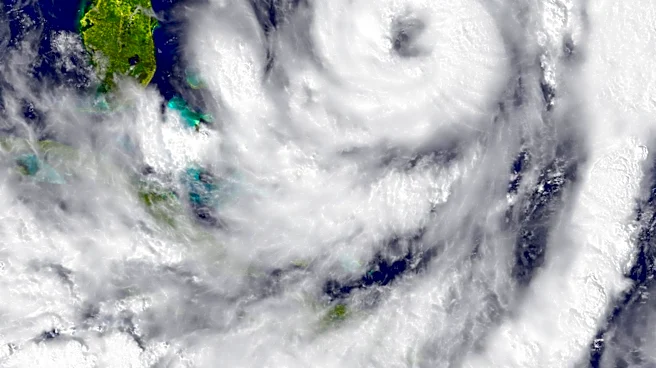
Oceanographic and Atmospheric Administration (NOAA), El Niño's presence will likely suppress tropical storm development across the Atlantic basin, leading to a below-average hurricane season. Colorado State University has adjusted its forecast, predicting only nine storms and four hurricanes, a stark contrast to the 30 and 21 named storms in 2020 and 2021, respectively. The increased wind shear associated with El Niño is a primary factor in reducing storm formation. This pattern is expected to persist into early 2027, potentially leading to a cooler and wetter winter season in South Florida.
Why It's Important?
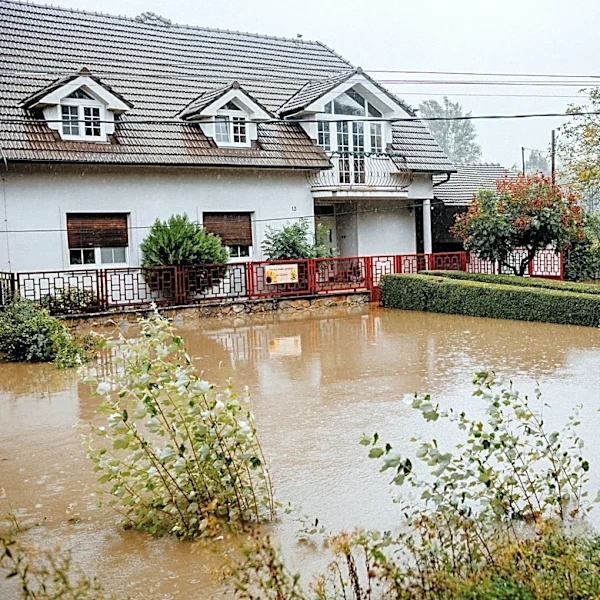
The intensification of El Niño has significant implications for weather patterns in the U.S., particularly in South Florida. A quieter hurricane season could reduce the risk of storm-related damage and economic losses in the region. However, the anticipated cooler and wetter winter could bring challenges, such as increased flooding and severe storms. The shift in weather patterns may affect agriculture, water management, and disaster preparedness strategies. Stakeholders, including local governments and emergency services, must adapt to these changes to mitigate potential impacts on communities and infrastructure.
What's Next?
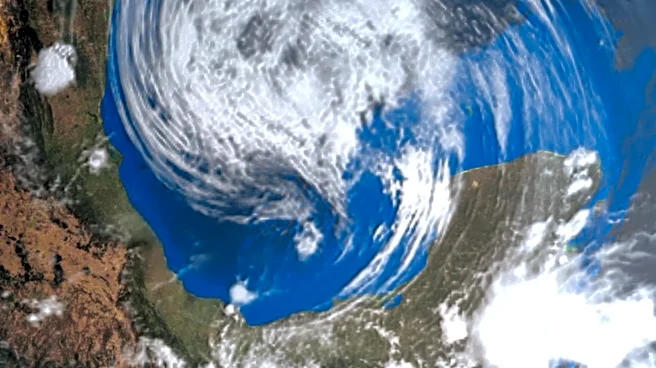
As El Niño conditions are expected to persist through early 2027, South Florida may experience a wetter and stormier winter season. This could lead to increased severe weather events, requiring enhanced preparedness and response strategies from local authorities. Long-term weather modeling suggests a trend towards more frequent and intense storms, necessitating adjustments in infrastructure planning and resource allocation. Monitoring and adapting to these evolving conditions will be crucial for minimizing adverse effects on the region.