


What's Happening?
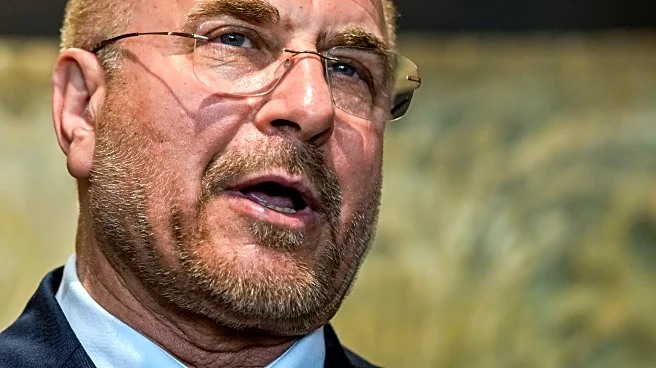
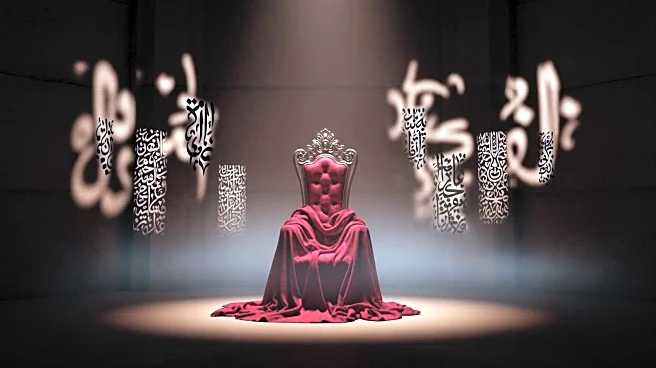
Recent assessments from Israel and the United States indicate that Mojtaba Khamenei, Iran's new Supreme Leader, is alive but does not hold significant control over the country's leadership. The balance of power appears to favor the Islamic Revolutionary
Guard Corps (IRGC), which is likely exerting influence over Khamenei. Despite being wounded, Mojtaba is reportedly capable of performing some functions, but his authority is limited compared to his father, Ayatollah Ali Khamenei. The IRGC's growing influence suggests a shift in Iran's power dynamics, with the military potentially playing a more decisive role in shaping the country's future.
Why It's Important?
The IRGC's increased influence could lead to a more militarized and security-focused regime in Iran. This shift may impact Iran's domestic policies and its approach to international relations, potentially leading to more aggressive regional behavior. The limited control of Mojtaba Khamenei raises questions about the stability of Iran's leadership and the potential for internal power struggles. The situation also complicates diplomatic efforts, as foreign governments may find it challenging to engage with a regime where military influence is predominant.
What's Next?
The international community will continue to monitor Iran's leadership dynamics, particularly the role of the IRGC in shaping the country's policies. If the IRGC continues to gain influence, it could lead to a shift in Iran's domestic and foreign policies, potentially impacting regional stability. The coming months will be critical in determining the future direction of Iran's leadership and its implications for international relations.