

What's Happening?
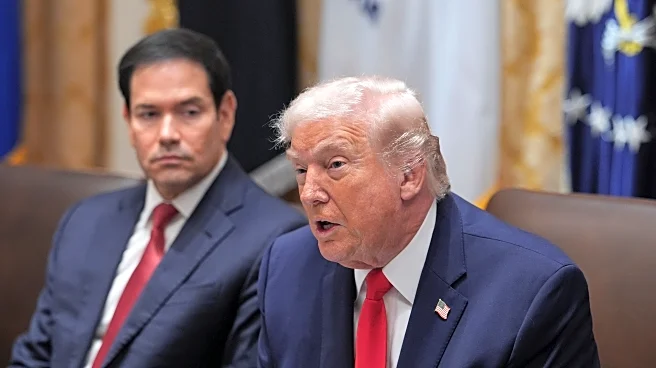
Cuban President Miguel Díaz-Canel has expressed a willingness to engage in dialogue with the United States, provided it occurs without pressure. This statement comes in the wake of increased tensions and threats from President Trump, who has intensified
economic pressure on Cuba, including threats of tariffs on oil-exporting nations. Díaz-Canel highlighted the severe economic challenges facing Cuba, exacerbated by U.S. sanctions, and emphasized the need for creative solutions to overcome these obstacles. The Cuban government is preparing its population for further hardships, as the island experiences an economic slump marked by hyper-inflation, power outages, and food shortages.
Why It's Important?
The potential for dialogue between Cuba and the United States could have significant implications for both nations. For Cuba, easing U.S. sanctions could alleviate some of the economic pressures and improve living conditions for its citizens. For the U.S., engaging with Cuba might open avenues for diplomatic influence in the region, particularly as Cuba maintains alliances with countries like Venezuela, China, and Russia. The outcome of these talks could impact regional stability and U.S. foreign policy in Latin America.
What's Next?
While Díaz-Canel has expressed openness to dialogue, the conditions under which talks might occur remain uncertain. The Cuban government is reportedly preparing for continued economic challenges, and any negotiations would need to address the core issues of sanctions and economic pressure. The international community, including allies of Cuba, may play a role in facilitating or influencing these discussions.