



What's Happening?
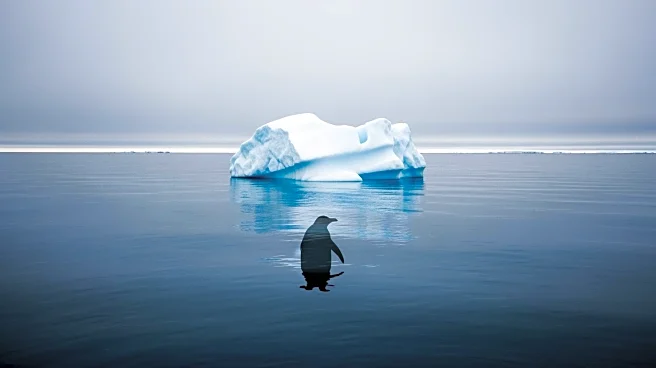
In Antarctica, the Southern Ocean, known for its tumultuous waves, is home to a diverse array of wildlife, including orcas, seals, and penguins. Tourists visiting the Lemaire Channel, often referred to as the 'Kodak Gap' for its picturesque scenery, witness
the effects of climate change firsthand. The Antarctic Peninsula is one of the fastest warming regions globally, with the surrounding ocean acting as a significant carbon dioxide repository. Gentoo penguins, which thrive in open water and rocky areas, are expanding their range southward as temperatures rise. In contrast, Adelie penguins, which depend on ice for survival, face a grim future, with studies predicting that 60% of their colonies could be threatened by 2100 due to warming waters and diminishing food sources. The region's ice is melting at an alarming rate, with NASA reporting an annual loss of 149 billion metric tons from 2002 to 2020.
Why It's Important?
The changes in Antarctica serve as a stark reminder of the broader impacts of climate change. The region's warming not only threatens local wildlife but also has global implications. The Southern Ocean's role in absorbing carbon dioxide is crucial in mitigating climate change, and any disruption could exacerbate global warming. The decline of species like the Adelie penguins highlights the vulnerability of ecosystems to rapid environmental changes. These shifts could lead to significant biodiversity loss, affecting food chains and ecological balance. Moreover, the melting ice contributes to rising sea levels, posing risks to coastal communities worldwide. The situation underscores the urgent need for global efforts to reduce greenhouse gas emissions and protect vulnerable ecosystems.
What's Next?
As climate change continues to impact Antarctica, scientists and policymakers face the challenge of mitigating its effects. Conservation efforts may focus on protecting critical habitats and reducing human-induced pressures on the environment. International cooperation will be essential in addressing the root causes of climate change and implementing effective strategies to preserve biodiversity. Monitoring and research will play a vital role in understanding the ongoing changes and informing policy decisions. The situation in Antarctica could also influence global climate policies, as nations recognize the interconnectedness of ecosystems and the importance of collective action in combating climate change.
Beyond the Headlines
The situation in Antarctica raises ethical and cultural questions about humanity's responsibility to protect the planet. The loss of iconic species and landscapes could have profound cultural impacts, altering the way future generations perceive and interact with nature. The changes also highlight the need for sustainable tourism practices that minimize environmental impact while raising awareness about climate change. As the world grapples with these challenges, there is an opportunity to foster a deeper appreciation for the natural world and a commitment to preserving it for future generations.