







What's Happening?
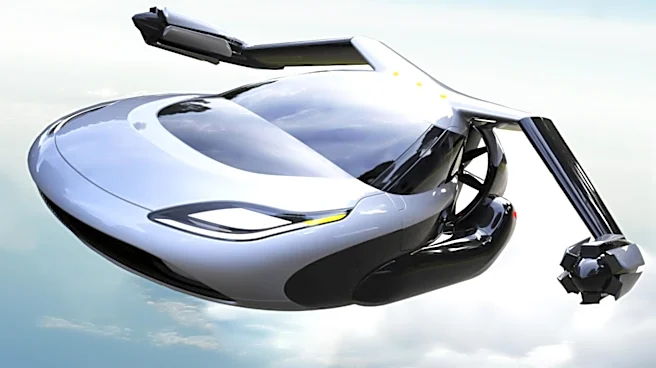
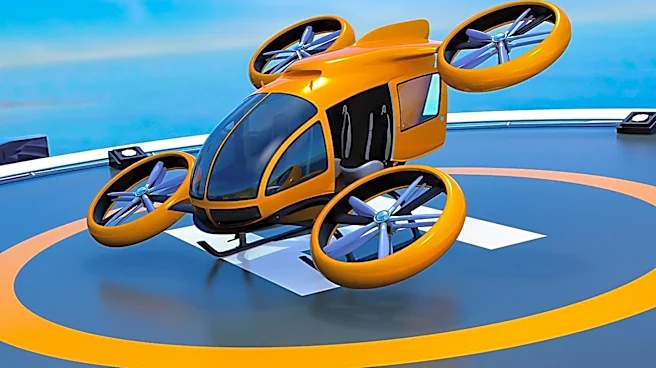
The U.S. Congress is advancing legislation to streamline the Federal Aviation Administration's (FAA) type certification process for advanced air mobility (AAM) operations, including electric vertical takeoff and landing (eVTOL) aircraft. The Aviation Innovation
and Global Competitiveness Act, introduced by a bipartisan group of senators, aims to clarify the FAA's certification procedures and establish timelines for key steps in the process. The bill has passed the Senate Committee on Commerce, Science, and Transportation and awaits consideration on the Senate floor. A companion bill in the House, led by Representatives Troy Nehls and Andre Carson, is pending committee action.
Why It's Important?
The proposed legislation is crucial for the development and commercialization of advanced air mobility technologies, which promise to revolutionize urban and regional transportation. By streamlining the certification process, the bill seeks to reduce regulatory barriers and accelerate the deployment of innovative aircraft designs. This could lead to significant advancements in transportation efficiency, environmental sustainability, and economic growth. The legislation also reflects a broader federal strategy to support the AAM industry, which is expected to play a key role in the future of transportation infrastructure and urban planning.
What's Next?
As the legislation progresses through Congress, stakeholders in the AAM industry will be closely monitoring its impact on the regulatory landscape. The FAA will need to implement the proposed changes, which include developing a publicly available plan to improve the issue paper process and considering performance-based standards for certification. Industry participants may need to engage with the FAA and Congress to ensure that the final regulations align with their operational needs and technological capabilities. The outcome of this legislative effort could set a precedent for future regulatory approaches to emerging aviation technologies.