


What's Happening?
A fake memo purportedly from U.S. Cyber Command claimed that several apps, including Uber and Snapchat, were compromised, potentially revealing servicemembers' locations. The Department of Defense confirmed the memo was false, emphasizing that no such
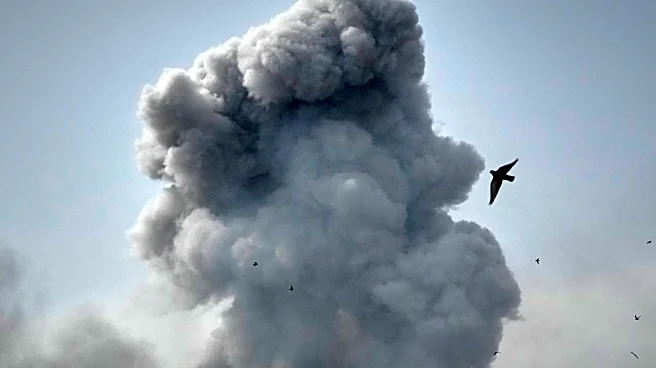
directive was issued. The misinformation spread rapidly among military personnel and on social media, coinciding with U.S. and Israeli military actions in Iran. The incident illustrates the challenges of controlling misinformation during conflicts, as false information can quickly gain traction and cause confusion among military ranks.
Why It's Important?
The swift spread of the fake memo underscores the vulnerability of military and public communication channels to misinformation, particularly during times of conflict. Such incidents can undermine trust in official communications and potentially disrupt military operations. The ability of misinformation to spread rapidly highlights the need for robust verification processes and communication strategies to counteract false narratives. This event also points to the broader issue of information warfare, where adversaries may exploit misinformation to sow discord and confusion.