






What's Happening?
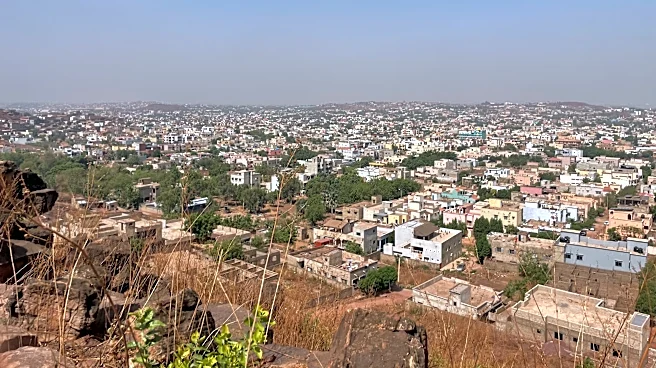
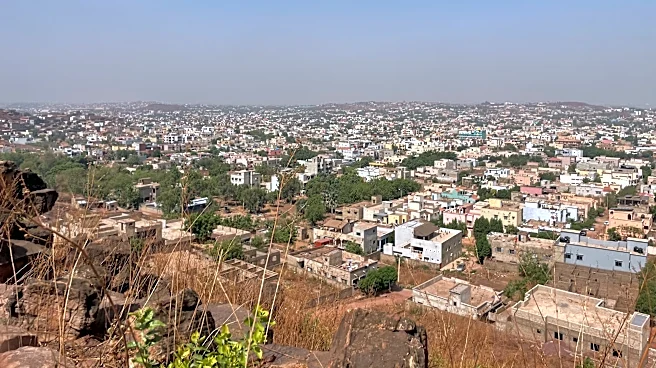
In Mali, West Africa, a series of coordinated attacks by armed groups, including Islamist militants, have targeted multiple cities, marking one of the largest offensives in recent years. The attacks have been reported in the capital, Bamako, and other
locations such as Sevare, Kidal, and Gao. Heavy gunfire and explosions have been heard near government buildings and military installations. The U.S. Embassy in Mali has advised American citizens to shelter in place and avoid travel. The Malian government claims to have the situation under control, with security forces actively repelling the attackers. Russian-backed mercenaries from the Africa Corps are reportedly assisting Malian forces. The attacks are attributed to militants linked to Jama'at Nusrat al-Islam wal-Muslimin (JNIM) and Tuareg rebels from the Azawad Liberation Front (FLA).
Why It's Important?
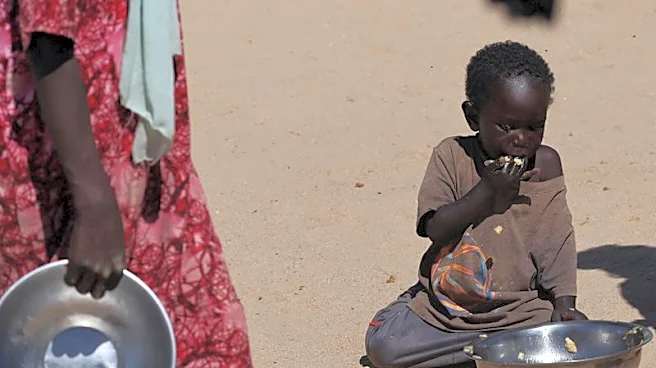
The attacks highlight the ongoing instability in Mali, a country that has been grappling with security challenges for years. The involvement of groups linked to al-Qaeda and the Islamic State underscores the persistent threat of terrorism in the region. The situation is further complicated by Mali's reliance on Russian-backed mercenaries, which has drawn international criticism. The instability in Mali has broader implications for the Sahel region, which is already a hotspot for terrorist activity. The attacks could potentially disrupt regional security and economic activities, affecting neighboring countries and international stakeholders with interests in the region.
What's Next?
The Malian government, along with its allies, is expected to continue military operations to regain control of affected areas. The international community, particularly countries with interests in the Sahel, may increase diplomatic and military support to stabilize the region. The situation may also prompt discussions on the effectiveness of current security strategies and the role of foreign mercenaries in Mali. Neighboring countries and regional organizations like ECOWAS may consider interventions to prevent the spread of instability.