







What's Happening?
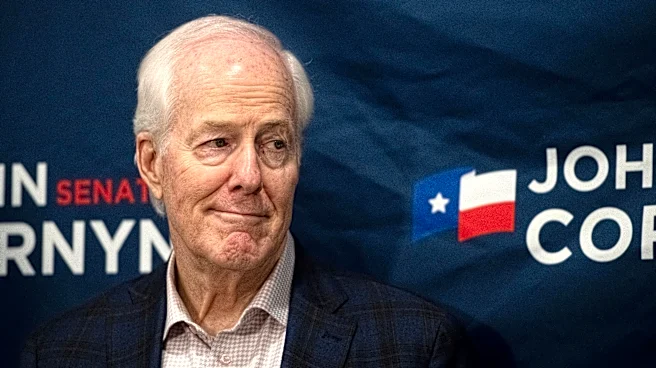
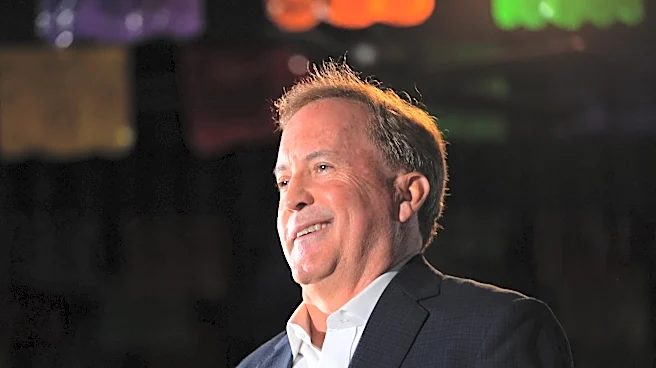
In Texas, a heated GOP primary battle is underway between incumbent Senator John Cornyn and Attorney General Ken Paxton, with significant implications for the future of the Republican Party. President Trump's endorsement of Paxton has intensified the race,
which has become the most expensive primary in history. Cornyn, representing the party's establishment wing, faces challenges from Paxton's supporters who criticize his bipartisan efforts and alignment with Democrats on certain issues. The primary has become a proxy battle for the party's direction, with both candidates claiming to lead the GOP into a post-Trump era. The outcome could influence the party's strategy and its ability to maintain control in Texas, a traditionally Republican stronghold.
Why It's Important?
The Texas GOP primary is crucial as it could determine the party's trajectory and influence in the state and nationally. A victory for Paxton, backed by the MAGA movement, could signal a shift towards more populist policies, potentially alienating moderate Republicans and impacting the party's appeal in general elections. Conversely, a win for Cornyn could reinforce traditional conservative values and the business-minded wing of the party. The primary's outcome could also affect resource allocation for other critical Senate races, with potential implications for the Republican Party's control of the Senate. The race highlights the internal divisions within the GOP and the broader national debate over the party's identity and future direction.
What's Next?
As the primary race continues, both candidates will likely intensify their campaigns to secure voter support. The outcome will be closely watched by political analysts and party strategists, as it could influence the GOP's strategy in upcoming elections. The primary's result may also prompt a reevaluation of the party's platform and approach to key issues, such as voting rights and gun legislation. Additionally, the race could impact the party's ability to maintain its stronghold in Texas, with potential consequences for the national political landscape.