



What's Happening?
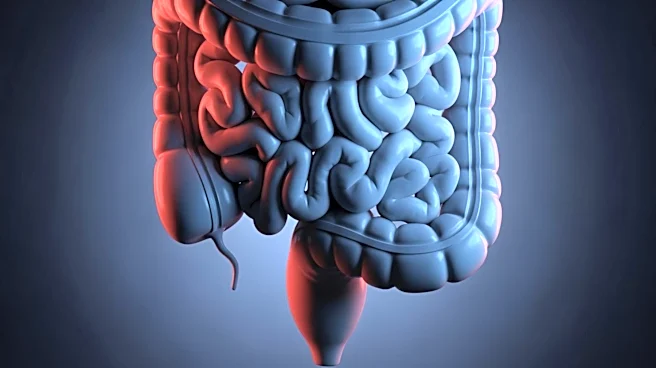
Rectal cancer mortality rates are increasing at a significantly faster pace than colon cancer among younger Americans, particularly those aged 20 to 44. This trend, highlighted in a study to be presented at Digestive Disease Week 2026 in Chicago, indicates
that rectal cancer is becoming a growing concern for younger individuals. The study, led by Mythili Menon Pathiyil, a gastroenterology fellow at SUNY Upstate Medical University, analyzed CDC death records from 1999 to 2023. It found that rectal cancer deaths are rising two to three times faster than colon cancer deaths in this age group. The research suggests that lifestyle and environmental factors, such as diet and changes in the gut microbiome, may contribute to this increase. A significant issue identified is the diagnostic delay faced by younger patients, who often experience a seven-month delay in receiving care compared to older adults.
Why It's Important?
The rising rates of rectal cancer among young adults underscore the need for a reevaluation of current screening strategies. As rectal cancer becomes more prevalent in younger populations, the healthcare system must adapt to address this shift. The delay in diagnosis for younger patients can lead to more advanced and aggressive stages of the disease, impacting treatment outcomes and survival rates. This trend could have significant implications for public health policy, necessitating increased awareness and potentially revised guidelines for early detection and intervention. The study's findings highlight the importance of recognizing and addressing symptoms early, which could lead to better health outcomes and reduced mortality rates.
What's Next?
The study suggests that without changes in current practices, the mortality rate for rectal cancer among young adults is likely to continue rising. Healthcare providers may need to consider revising screening guidelines to include younger age groups and to be more vigilant in recognizing symptoms that could indicate rectal cancer. Public health campaigns could play a crucial role in raising awareness about the importance of early detection and the potential risk factors associated with rectal cancer. Additionally, further research into the underlying causes of this trend could inform future prevention and treatment strategies.