
What's Happening?
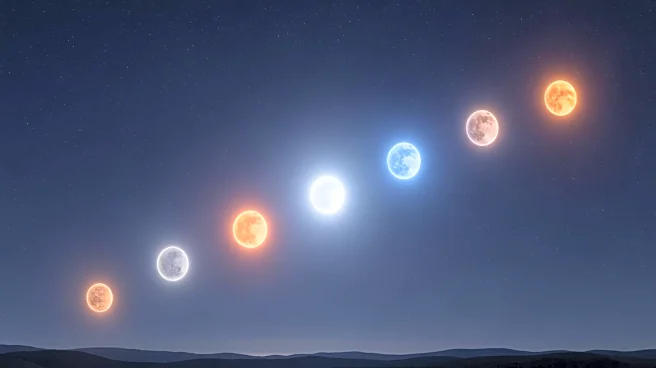
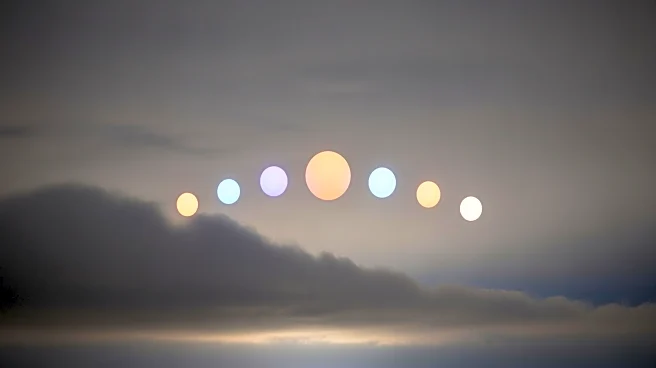
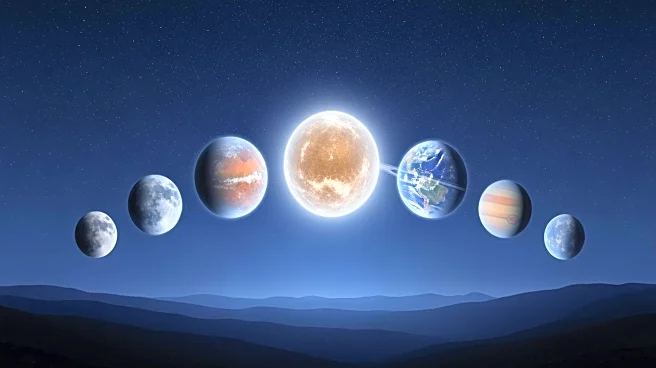
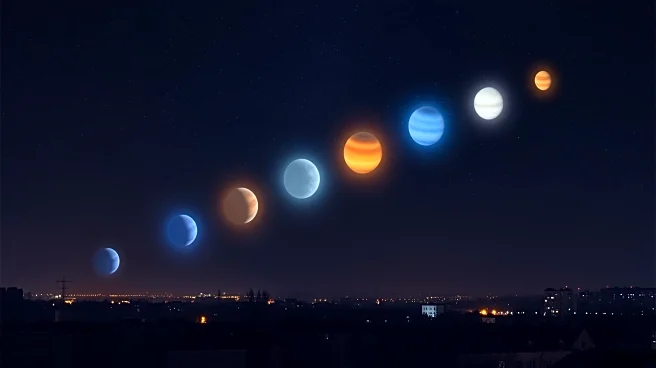
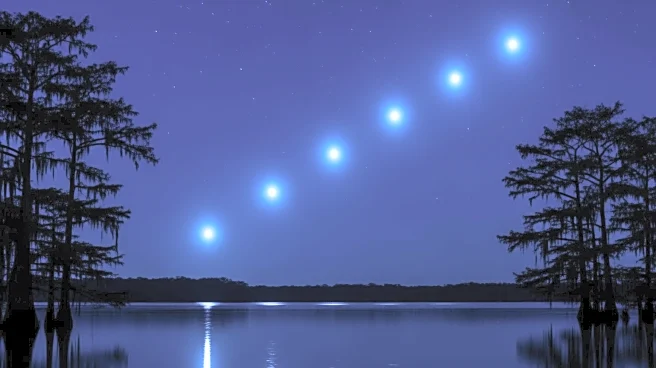
On February 28, 2026, a rare celestial event will occur as six planets align and become visible in the night sky. This planetary alignment includes Mercury, Venus, Neptune, Saturn, Uranus, and Jupiter. The event will be visible worldwide, but in Louisiana,
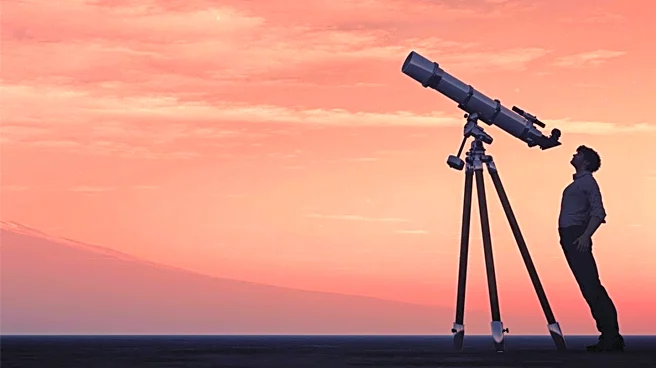
the best time to view the planets will be shortly after sunset. Venus and Mercury will be closest to the horizon during twilight, followed by Saturn and Neptune, with Uranus and Jupiter positioned higher in the sky. While Jupiter and Saturn can be seen with the naked eye, Mercury, Venus, and Uranus may require binoculars, and Neptune will need a small telescope for viewing. This alignment offers a unique opportunity for stargazers to witness a rare astronomical phenomenon.
Why It's Important?
The alignment of six planets is a rare astronomical event that captivates both amateur and professional astronomers. Such events provide an opportunity for educational outreach and public engagement with astronomy, potentially inspiring interest in science and space exploration. For the scientific community, these alignments can offer insights into planetary motion and dynamics. Additionally, the event encourages people to connect with the natural world, fostering a sense of wonder and curiosity about the universe. The visibility of multiple planets simultaneously can also enhance public understanding of our solar system's structure and the relative positions of celestial bodies.
What's Next?
Following the planetary alignment, astronomy enthusiasts and educational institutions may organize viewing events and discussions to further explore the significance of such celestial phenomena. The event could also lead to increased interest in upcoming astronomical occurrences, such as eclipses or meteor showers. For those interested in observing the alignment, ensuring access to clear skies and appropriate viewing equipment will be crucial. As the date approaches, weather forecasts will play a significant role in determining the best locations for viewing. Continued public interest in astronomy could lead to more community events and educational programs focused on space science.