







What's Happening?
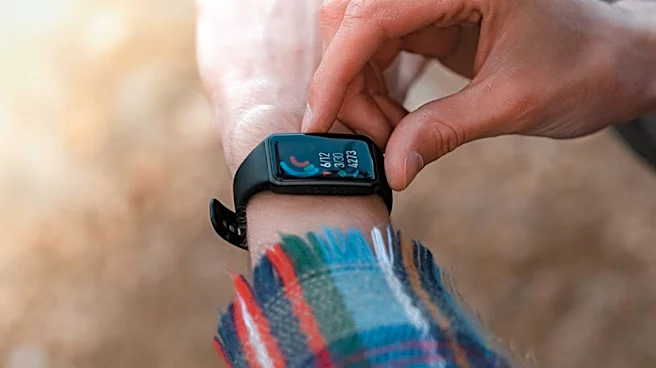
Wearable technology is increasingly being utilized for health monitoring and disease prevention, particularly in the realm of vascular health. Devices such as smartwatches, fitness trackers, and smart rings provide users with valuable data on heart rate,
sleep patterns, activity levels, and stress. These wearables can help detect potential health issues early, encourage habits that promote good circulation, and complement existing medical treatments. Beyond general fitness trackers, a category of medical monitoring wearables is emerging, including devices that track blood pressure, blood glucose, body temperature, and respiratory rate. These specialized wearables offer more specific physiological indicators directly related to vascular health, aiding in the early detection of conditions like hypertension and managing chronic diseases such as diabetes, which are risk factors for venous disease. The continuous data collection from these devices allows individuals to take a more active role in managing their health and provides objective insights into their body's responses to lifestyle changes or treatments.
Why It's Important?
The integration of wearable technology into healthcare is significant because it shifts the paradigm from reactive treatment to proactive prevention and management. For individuals, these devices offer personalized, real-time health data, empowering them to make informed decisions about their lifestyle and seek medical attention when trends suggest potential issues. This can lead to earlier intervention for conditions like venous disease, potentially preventing progression and reducing the need for more invasive treatments. For the healthcare industry, wearables provide a continuous stream of patient data, which can enhance remote monitoring capabilities, improve treatment efficacy assessments, and potentially reduce healthcare costs by preventing acute health crises. The ability to track vital signs and activity levels continuously also offers researchers valuable data for understanding disease progression and the effectiveness of various interventions, contributing to advancements in personalized medicine.
What's Next?
The future of wearable technology in health monitoring is expected to include devices specifically designed for venous health and the efficacy of treatment protocols. This includes portable pulse oximeters for blood oxygen levels, compression garments with integrated sensors to monitor and adjust pressure in real-time, and smart insoles that analyze gait and posture to identify patterns contributing to venous strain. Researchers are also developing wearable sensors to continuously measure leg swelling (edema) and devices capable of detecting deep vein thrombosis (DVT) using technologies like compression ultrasonography combined with artificial intelligence. Future wearable platforms will likely rely more heavily on AI to analyze data from multiple sensors, recognizing subtle patterns across various physiological indicators to identify individuals who may need formal vascular evaluations. This will enable remote monitoring by vein specialists, potentially reducing unnecessary appointments and identifying patients requiring earlier assessment.
Beyond the Headlines
The proliferation of wearable health technology raises several deeper implications. Ethically, the continuous collection of personal health data brings concerns about privacy, data security, and who has access to this sensitive information. Legal frameworks will need to evolve to address data ownership, consent, and the responsible use of health data by device manufacturers, healthcare providers, and potentially insurance companies. Culturally, there's a shift towards a more data-driven approach to personal health, which could lead to increased health awareness but also potential anxiety or over-reliance on device readings. The long-term impact on healthcare systems could be transformative, moving towards predictive analytics and personalized interventions, but it also necessitates ensuring equitable access to these technologies and digital literacy among the population to fully leverage their benefits.