
What's Happening?
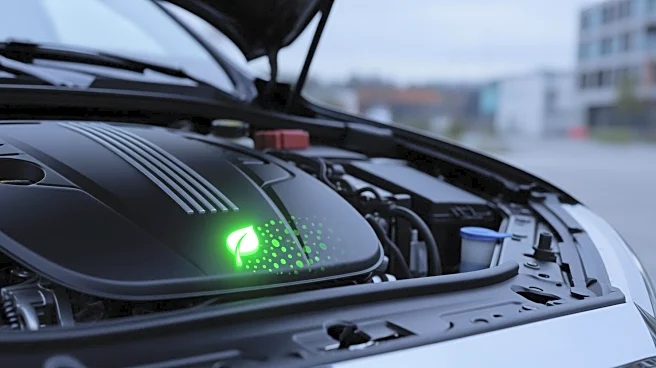
The U.S. Environmental Protection Agency (EPA), under Administrator Lee Zeldin, has announced plans to eliminate incentives for automatic start/stop systems in vehicles. This technology, which turns off
a vehicle's engine at stoplights and in traffic to conserve fuel, is part of a broader rollback of emissions-related regulations. The EPA's decision is accompanied by the revocation of the 2009 'endangerment finding,' which served as the scientific basis for federal greenhouse gas controls. The auto start/stop feature is prevalent in modern internal-combustion vehicles, present in about two-thirds of new cars and trucks, and offers fuel-economy improvements ranging from 7% to 26% depending on driving conditions. Despite its benefits, the EPA and the Trump administration argue that the technology is unpopular among drivers, describing it as 'almost universally hated.' The removal of regulatory credits is expected to reduce automakers' incentives to include this system as standard equipment.
Why It's Important?
The EPA's decision to eliminate incentives for auto start/stop systems could have significant implications for the automotive industry and environmental policy. By removing these incentives, automakers may be less inclined to include fuel-saving technologies in their vehicles, potentially leading to increased fuel consumption and higher emissions. This move could hinder progress towards reducing tailpipe emissions and achieving future efficiency goals. While some manufacturers support the change, citing consumer choice and competitive vehicle pricing, environmental advocates warn that it could undermine efforts to combat climate change. The decision reflects a broader trend of deregulation under the Trump administration, which may impact the U.S.'s ability to meet international environmental commitments.
What's Next?
The EPA's decision is likely to prompt reactions from various stakeholders, including environmental groups, automakers, and policymakers. Environmental advocates may challenge the rollback in court, arguing that it undermines efforts to address climate change. Automakers will need to reassess their strategies for meeting emissions standards and consumer preferences. The decision could also influence future regulatory actions and debates over the balance between environmental protection and economic growth. As the automotive industry continues to evolve, the role of fuel-saving technologies and emissions regulations will remain a critical area of focus.