




What's Happening?
A unique ecosystem in Michigan, known as the Highland Fen, is home to several rare and endangered plant species, including the Canadian burnet (Sanguisorba canadensis). This plant is specifically restricted to the southeast portion of Michigan, found
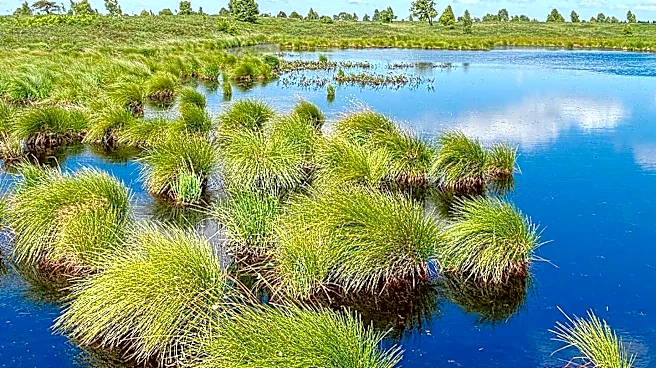
only in Wayne and Washtenaw counties, with its primary extant localities situated along the Fleming Creek and Huron River drainage. The Canadian burnet is described as an alien-looking plant, producing brush-like and spiny flowers, and can grow to heights of three to six feet with distinct saw-tooth-like leaves. Its struggle for survival is largely attributed to habitat loss, emphasizing the importance of preserving fens like this one. The Highland Fen itself is a unique wetland, differentiated from bogs, swamps, and marshes by its water source, which comes from beneath the ground, often charged with lime that precipitates out as white deposits.
Why It's Important?
The presence of the Canadian burnet and other rare species in the Highland Fen underscores the critical need for wetland preservation in Michigan. These unique ecosystems, characterized by their specific hydrological conditions, support biodiversity that is not found elsewhere. The decline of species like the Canadian burnet due to habitat loss highlights broader environmental challenges facing the U.S., particularly concerning the impact of development and human activity on natural landscapes. Conservation efforts in areas like the Highland Fen are vital for maintaining ecological balance and preventing the extinction of native flora. The fen also serves as a living example of pre-European settlement ecosystems, offering insights into the region's natural history and the long-term effects of environmental changes.
What's Next?
Preservation efforts for the Highland Fen are ongoing, with organizations like the Washtenaw County Parks and Recreation Commission actively involved in restoring the ecosystem to its original state. This includes practices such as prescribed burns, which are essential for the health of native ecosystems like hillside prairies and prairie fens that depend on fire for continued success. These controlled burns help native plants persist and actively change the community makeup to favor indigenous species. Future steps will likely involve continued stewardship activities, including managing invasive species and monitoring the health of rare plants. The protected nature of the fen means its specific location is not widely publicized to prevent disturbance, but professionals are available to provide information and guided access for those interested in learning more about this unique natural area.
Beyond the Headlines
The story of the Highland Fen extends beyond simple plant preservation; it touches upon the deeper implications of land management and the historical interaction between humans and the environment. Studies suggest that indigenous people deliberately managed sites like this, utilizing them for visibility and transportation routes, indicating a long history of human influence on these ecosystems. The discovery of a headstone from an adjacent cemetery embedded within the fen further illustrates the intertwining of human history and natural processes, where nature reclaims and integrates elements of the past. This blend of ecological rarity, historical context, and ongoing conservation efforts highlights the complex relationship between society and the natural world, emphasizing the ethical responsibility to protect and understand these invaluable natural legacies for future generations.