



What's Happening?
The Mayo Clinic is highlighting the challenges and dangers Halloween poses for children with food allergies and is advocating for safer alternatives. Dr. Arveen Bhasin, a Mayo Clinic allergy specialist, notes that many common candies contain allergens
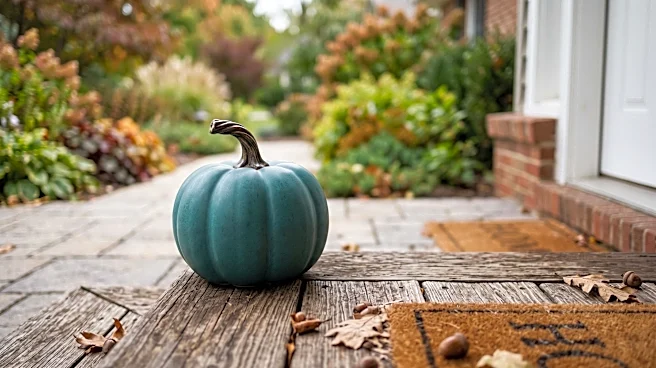
such as eggs, milk, soy, wheat, peanuts, tree nuts, fish, shellfish, and sesame. A critical point raised is that ingredients in fun-size candy bars can differ from their full-size counterparts, making it essential for parents to meticulously read labels. To address this, the Teal Pumpkin Project, initiated in 2014, encourages households to offer non-food treats like stickers, pencils, or glow sticks, identifiable by a teal pumpkin placed outside the home. This initiative aims to provide a safer and more inclusive trick-or-treating experience for children who must avoid certain foods.
Why It's Important?
This initiative is important for public health and safety, particularly for the significant portion of the U.S. population affected by food allergies. Food allergies can range from mild reactions to severe, life-threatening anaphylaxis, making accidental exposure during events like Halloween a serious concern. The Mayo Clinic's emphasis on this issue underscores the need for increased awareness and proactive measures to protect vulnerable children. The Teal Pumpkin Project offers a practical solution, empowering parents and children with allergies to participate in Halloween festivities without fear of allergic reactions. This also promotes community inclusivity, ensuring that all children, regardless of their dietary restrictions, can enjoy the holiday. The differing ingredients in fun-size versus full-size candies highlight a broader issue of inconsistent food labeling that consumers must navigate, emphasizing the need for vigilance.
What's Next?
As Halloween approaches, the Mayo Clinic's message will likely continue to spread, encouraging more households to adopt the Teal Pumpkin Project. Increased participation in this project could lead to a broader availability of safe, non-food treats, making trick-or-treating a more secure activity for children with food allergies. Educational campaigns from health organizations and community groups are expected to reinforce the importance of checking ingredient labels and understanding cross-contamination risks. Retailers may also see a growing demand for non-food Halloween items, potentially leading to more diverse offerings in stores. The long-term impact could be a cultural shift towards more inclusive holiday practices, reducing anxiety for families managing food allergies.
Beyond the Headlines
Beyond the immediate safety concerns for Halloween, this discussion touches upon the broader societal challenge of managing food allergies in everyday life. The need for initiatives like the Teal Pumpkin Project reflects a growing awareness of diverse health needs within communities. It highlights how seemingly minor details, like candy ingredients, can have significant health implications. This also points to the evolving role of healthcare institutions like the Mayo Clinic in public education and advocacy, extending their influence beyond clinical settings to promote preventative health and community well-being. The project fosters empathy and collective responsibility, encouraging neighbors to consider the health and safety of all children, thereby strengthening community bonds and promoting a more inclusive social environment.