



What's Happening?
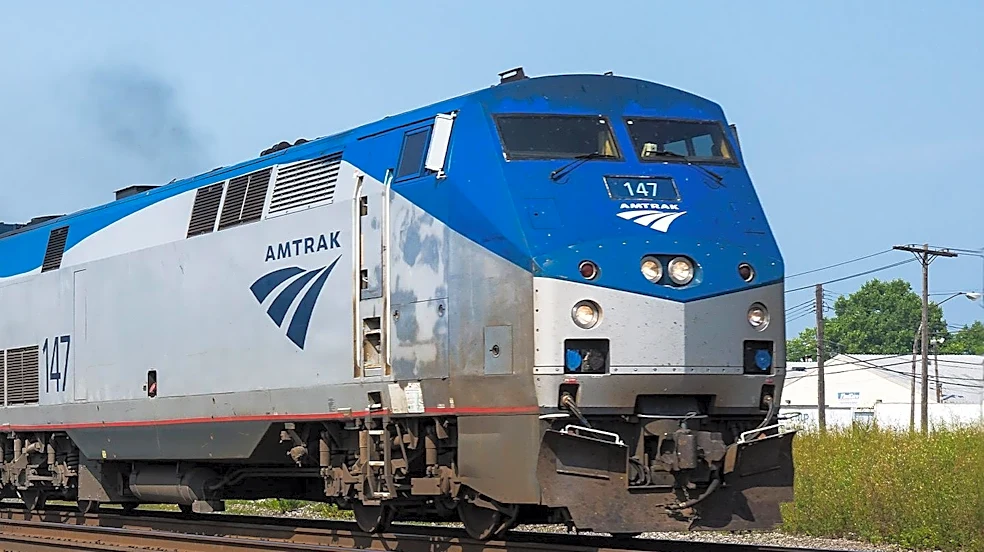
The National Transportation Safety Board (NTSB) has formally recommended that the Federal Railroad Administration (FRA) ban rail workers from riding railroad equipment during 'shoving movements.' Shoving movements, defined by the Association of American
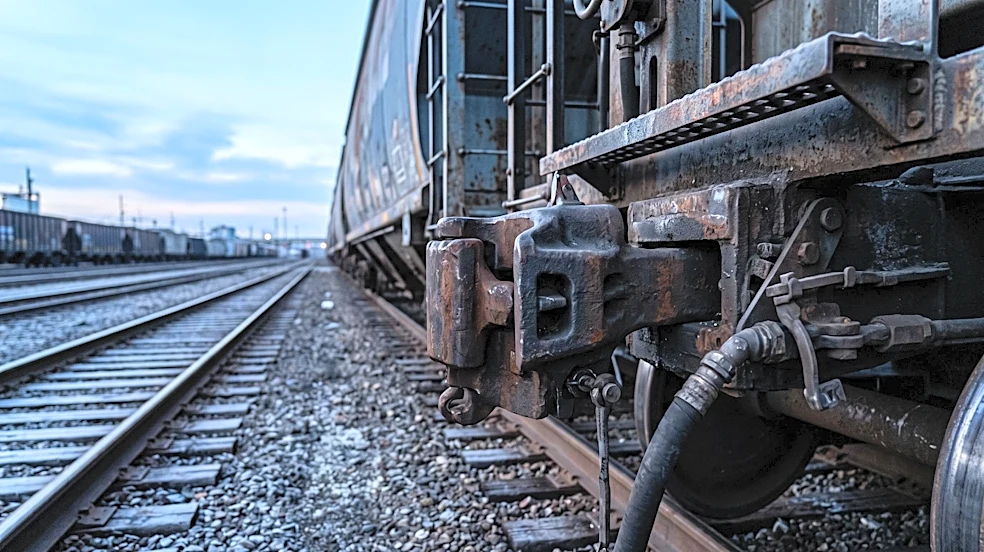
Railroads as a locomotive pushing railcars during switching operations, pose significant risks to workers. The NTSB's recommendation stems from an investigation report highlighting that riding railcars for 'point protection' (visually determining a clear track) leads to hazards such as falls, being pinned, or crushed during collisions or derailments. Since October 2020, NTSB investigations have linked 16 incidents to these movements, resulting in 14 worker fatalities and two serious injuries. The NTSB asserts that current federal regulations do not adequately address these risks or consistently mandate hazard identification before work commences. Safer alternatives proposed include ground-based point protection and the use of vehicles, cameras, and other technologies for track monitoring.
Why It's Important?
This NTSB recommendation is crucial for enhancing rail worker safety across the U.S. railroad industry. The current practice of riding railcars during shoving movements has demonstrably led to severe injuries and deaths, indicating a systemic safety gap. A prohibition would directly impact operational procedures for all Class I railroads and potentially short line and regional railroads, necessitating a shift towards technology-driven or ground-based safety protocols. This change could significantly reduce workplace fatalities and injuries, improving the well-being of thousands of rail employees. While potentially requiring initial investment in new equipment and training, the long-term benefits include a safer work environment, reduced accident-related costs, and improved public perception of railroad safety. NTSB Chair Jennifer Homendy emphasized that workers should not have to risk their lives, underscoring the moral and ethical imperative behind the recommendation.
What's Next?
The Federal Railroad Administration (FRA) will now consider the NTSB's recommendations. If adopted, the FRA would likely issue new regulations prohibiting employees from riding equipment during shoving movements. This would require Class I railroads to implement site-specific hazard analyses for planned work locations, including employee safety, track conditions, visibility, and the availability of technology for shove protection. Job briefings would also need to address specific task hazards and analysis findings. The NTSB also recommends that the American Short Line and Regional Railroad Association advise its members of these findings and discuss the associated hazards. The transition would involve training for rail workers on new safety protocols and the adoption of alternative technologies for track monitoring, potentially leading to a significant overhaul of current switching operation practices.
Beyond the Headlines
Beyond the immediate safety implications, this recommendation highlights a broader shift towards leveraging technology to mitigate occupational hazards in industrial sectors. The NTSB's emphasis on cameras, vehicles, and other monitoring technologies suggests a future where human exposure to high-risk environments is minimized through innovation. This could set a precedent for other industries facing similar challenges, encouraging investment in automation and remote operation solutions. Furthermore, the NTSB's call for more robust hazard analysis and consistent safety requirements points to a cultural shift within the railroad industry, moving from reactive incident response to proactive risk management. This could foster a stronger safety culture where employee well-being is prioritized through continuous evaluation and adaptation of operational procedures, potentially influencing regulatory frameworks beyond rail transport.