





What's Happening?
NATO's logistics support for Ukraine has demonstrated the Alliance's capability to conduct sustained operations in a live conflict zone, showcasing institutional competence in managing supplies at scale. However, this support operates in a permissive
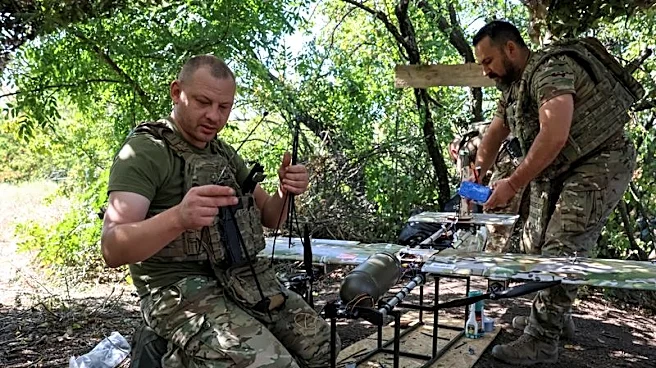
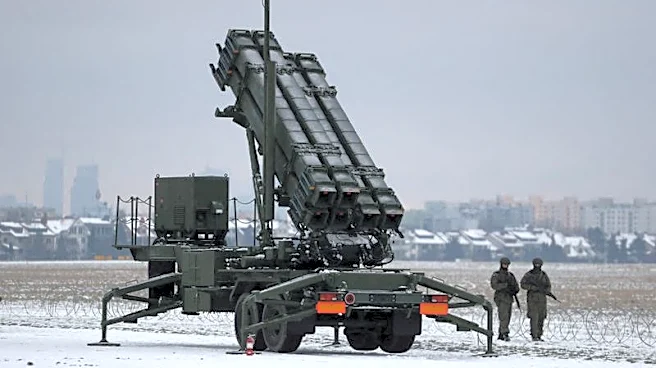
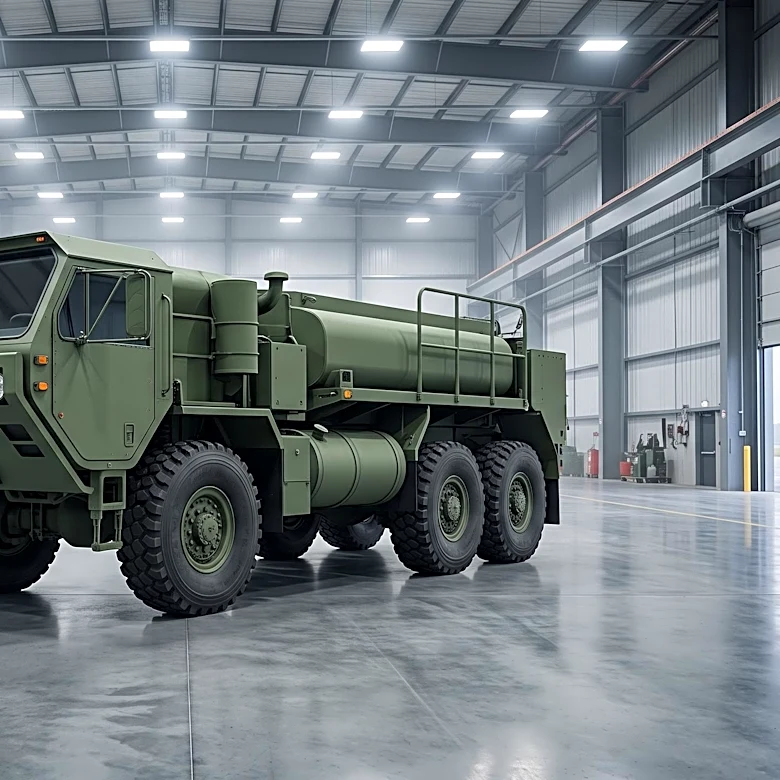
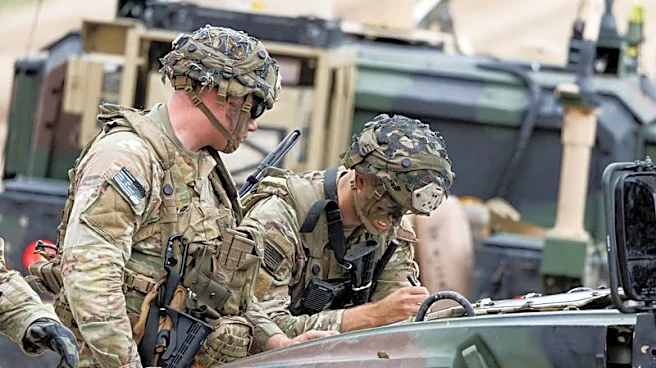
environment, free from direct interdiction or strikes on its hubs, meaning it has not been tested for survivability under hostile conditions. Germany is identified as a critical hub for reinforcing NATO's eastern flank, but significant investments are still required for its rail, road, bridge, and inland-waterway infrastructure. Recent military exercises have highlighted NATO's ability to move and command large forces but have also exposed vulnerabilities in concentrated logistics nodes to sensors, UAVs, and precision strikes. Critical sustainment gaps persist, including insufficient fuel distribution to the eastern flank, limited medical evacuation capacity for high-intensity warfare, and shortages in strategic and tactical lift, heavy-armor rail capacity, and mobile bridging. Russia has also been targeting Ukraine's logistics infrastructure, including areas near NATO borders, indicating a broader conflict zone.
Why It's Important?
The ongoing challenges in NATO's logistics infrastructure and capabilities have significant implications for U.S. national security and its role within the Alliance. The identified gaps in fuel distribution, medical evacuation, and transport capacity could hinder rapid deployment and sustained operations in a high-intensity conflict, potentially impacting the effectiveness of U.S. forces in supporting NATO allies. The vulnerability of logistics nodes to modern threats like drones and precision strikes underscores the need for enhanced protection and dispersal strategies, which would require substantial investment and technological upgrades. Furthermore, Russia's targeting of logistics infrastructure near NATO borders raises concerns about potential escalation and the need for robust defensive measures to protect supply lines. The reliance on Germany as a central hub, coupled with its infrastructure deficiencies, highlights a critical bottleneck that could impede the swift reinforcement of NATO's eastern flank, directly affecting U.S. strategic interests in European security.
What's Next?
NATO is expected to continue addressing its critical sustainment gaps through ongoing initiatives and investments. Efforts will likely focus on improving military mobility, including upgrading infrastructure in key transit countries like Germany, and enhancing capabilities in areas such as fuel distribution, medical evacuation, and strategic lift. The Alliance will also need to adapt its logistics strategies to counter modern threats, potentially by developing more resilient and dispersed logistics networks to mitigate vulnerabilities to precision strikes and drone attacks. Continued exercises will be crucial to test these improvements and identify remaining weaknesses. Furthermore, the ongoing conflict in Ukraine and Russia's targeting of logistics infrastructure will likely prompt NATO to strengthen its air defenses and protective measures along its eastern flank to safeguard critical supply routes and prevent potential spillover incidents. Discussions within NATO will also likely center on accelerating procurement processes and fostering greater interoperability among member states to enhance overall logistical efficiency.
Beyond the Headlines
The challenges in NATO's logistics extend beyond immediate operational concerns, touching upon deeper issues of strategic readiness and the evolving nature of modern warfare. The emphasis on institutional competence over survivability in a hostile environment suggests a potential underestimation of the risks posed by advanced adversaries. This could lead to a re-evaluation of NATO's foundational defense doctrines, particularly regarding the protection of rear areas and supply lines. The identified infrastructure deficiencies in Germany, a key NATO member, highlight the broader challenge of maintaining military readiness within a complex civilian infrastructure, requiring greater civil-military cooperation and investment. Moreover, the rapid pace of technological advancements, such as drones and precision-guided munitions, necessitates a continuous adaptation of logistics and defense strategies, pushing NATO to innovate faster than its bureaucratic processes typically allow. This situation also underscores the ethical considerations of operating in a 'permissive rear' while supporting a conflict zone, raising questions about the long-term sustainability and moral implications of such a posture.