
What's Happening?
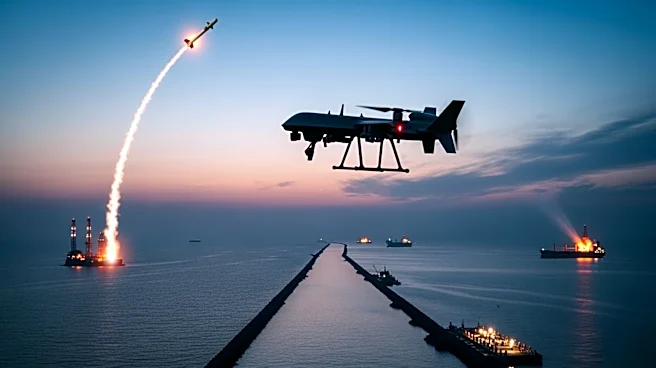
The United Arab Emirates (UAE) has engaged its air defenses in response to missile and drone attacks from Iran, following an exchange of fire between the U.S. and Iran in the Strait of Hormuz. The U.S. military
conducted strikes on Iranian targets after an attack on American destroyers, while Iran accused the U.S. of initiating the conflict. The violence threatens a fragile ceasefire that has been in place since April, aimed at ending hostilities in the region. The situation remains tense as both sides navigate the ceasefire agreement and potential diplomatic resolutions.
Why It's Important?
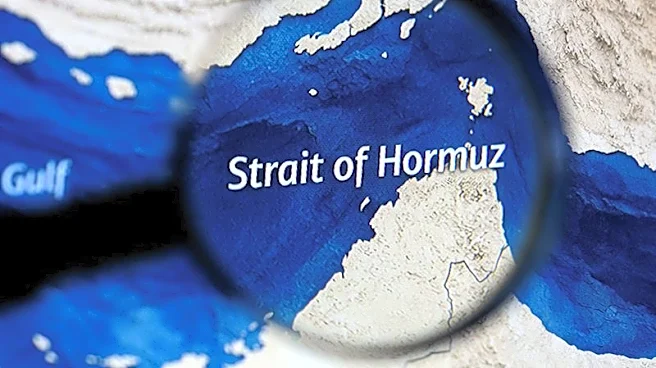
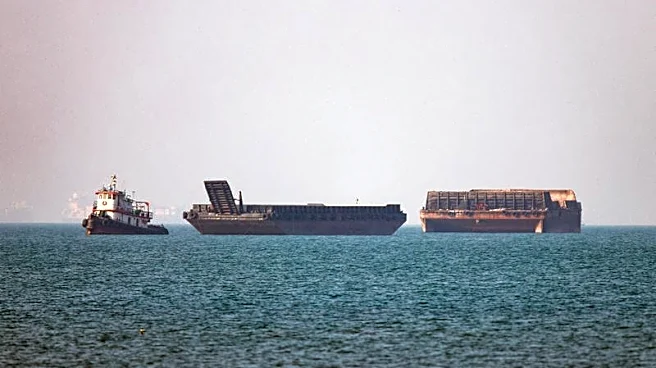
The Strait of Hormuz is a vital route for global oil and gas shipments, and any disruption can have significant economic impacts. The UAE's involvement highlights the regional implications of the U.S.-Iran tensions and the potential for broader conflict. The fragile ceasefire underscores the challenges in achieving lasting peace and stability in the Middle East. The outcome of these events could influence global energy markets and international diplomatic relations.
What's Next?
Diplomatic efforts are expected to continue as the U.S., Iran, and regional players seek to stabilize the situation. The international community will be closely monitoring developments, as any escalation could disrupt global oil supplies and impact international relations. The U.S. administration's strategy will likely focus on balancing military readiness with diplomatic efforts to achieve a sustainable resolution.