




What's Happening?
South Korea's Ministry of Foreign Affairs is withdrawing additional embassy personnel from Ukraine. This decision follows what Seoul describes as Kyiv's lack of a 'constructive response' regarding a dispute over North Korean prisoners of war (POWs). Earlier
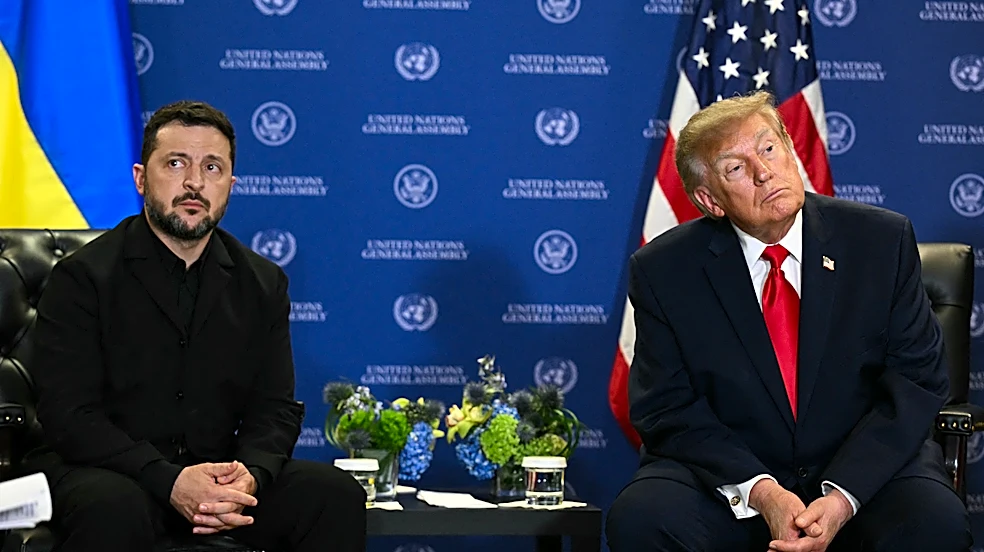
this month, South Korea recalled its ambassador from Kyiv after Ukrainian President Volodymyr Zelenskyy publicly disclosed at the United Nations General Assembly (UNGA) that Ukraine had transferred two captured North Korean soldiers to South Korea. Seoul was angered by this disclosure, stating that the operation should have remained confidential to protect the soldiers' families in North Korea. Ministry spokesperson Park Doo-soon indicated that this measure was taken to facilitate an amicable resolution and restore trust between the two countries. A charge d’affaires and consular staff will remain in Kyiv to maintain diplomatic communication and protect South Korean nationals. Persistent threats of air strikes across Ukraine also contributed to the decision to ensure staff safety. Ukraine, for its part, has insisted that 'diplomacy must prevail over emotions' and considers 'the situation resolved,' despite South Korea's Foreign Minister Cho Hyun stating that Ukraine's apology fell short of expectations.
Why It's Important?
This diplomatic friction between South Korea and Ukraine carries significant implications for international relations and the handling of sensitive geopolitical issues. The dispute highlights the complexities of wartime diplomacy, particularly when dealing with defectors or prisoners from highly secretive states like North Korea. South Korea's strong reaction underscores its commitment to protecting individuals who defect from North Korea, viewing all North Koreans as citizens under its constitution. The public disclosure by President Zelenskyy, regardless of intent, has created a breach of trust that Seoul deems serious enough to warrant a partial withdrawal of diplomatic staff. This incident could set a precedent for how nations manage information regarding defectors, especially those from adversarial states, and the potential diplomatic fallout if such protocols are not respected. Furthermore, it could impact future cooperation between South Korea and Ukraine, potentially affecting aid or political support at a critical time for Ukraine.
What's Next?
The immediate next steps involve monitoring whether Ukraine will offer a more satisfactory response to South Korea's concerns, potentially through private diplomatic channels. South Korea's decision to leave a charge d’affaires and consular staff suggests a desire to keep diplomatic lines open while signaling its displeasure. The situation could escalate if Ukraine does not address Seoul's demands more effectively, potentially leading to further diplomatic downgrades or a reevaluation of bilateral relations. Conversely, a more robust apology or a commitment to future confidentiality from Ukraine could help de-escalate tensions. The safety of the remaining South Korean diplomatic staff in Kyiv, amidst ongoing air strike threats, will also be a continuous concern. The international community will likely observe how this dispute is resolved, as it touches upon humanitarian concerns, national security interests, and the delicate balance of international diplomacy during conflict.
Beyond the Headlines
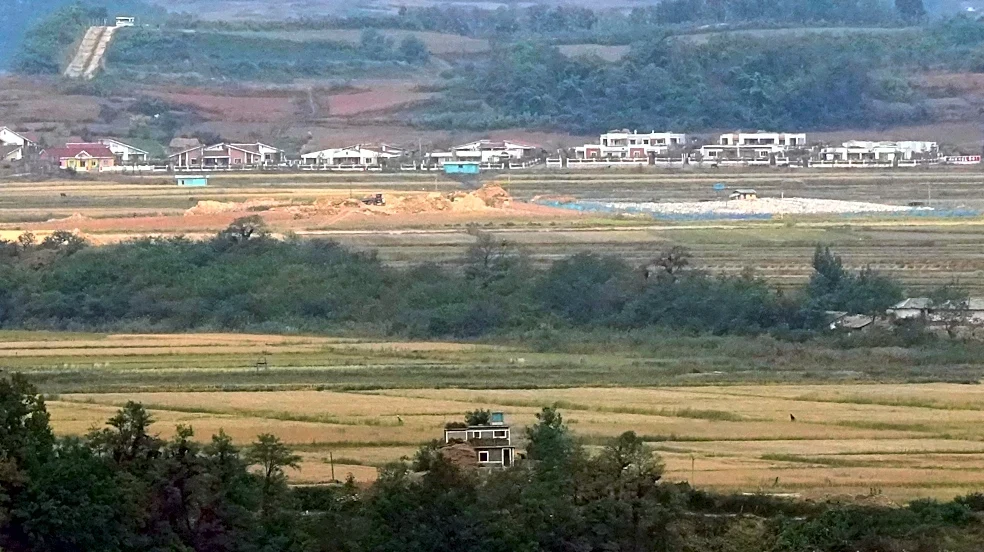
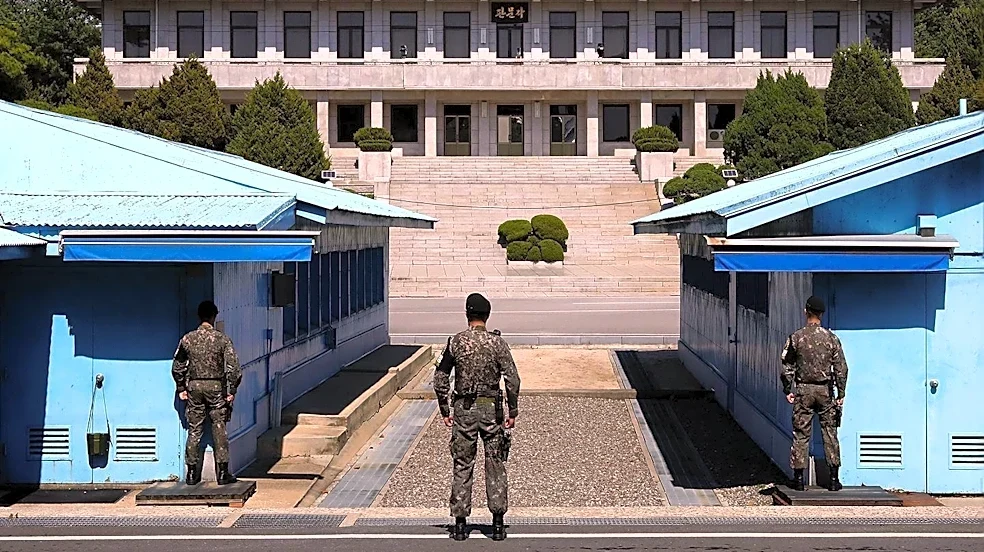
The underlying issue of North Korean defectors is a deeply sensitive and complex matter for South Korea. Under its constitution, all North Koreans are considered citizens of the Republic of Korea, and those who reach its territory are generally allowed to stay. This constitutional stance shapes South Korea's approach to any situation involving North Koreans abroad, particularly those who may be seeking asylum or defection. The public disclosure of the POW transfer by President Zelenskyy not only violated an expectation of confidentiality but also potentially endangered the families of these soldiers still residing in North Korea, where defection is met with severe punishment. This incident brings to light the ethical dilemmas faced by nations when handling individuals from oppressive regimes and the need for extreme discretion to protect those at risk. It also highlights the broader geopolitical implications of the Korean Peninsula's division and the ongoing humanitarian challenges it presents.