





What's Happening?
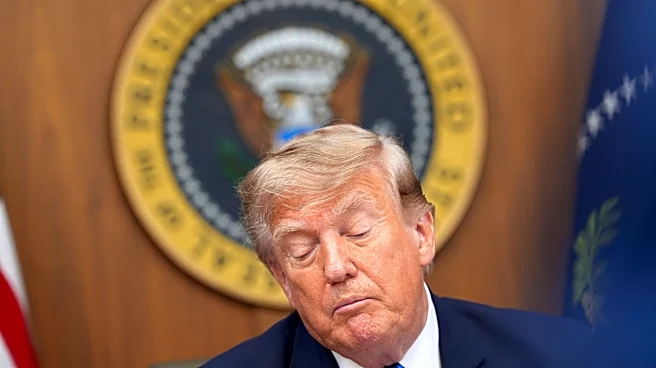
The U.S. labor market is undergoing significant changes due to demographic shifts and policy decisions, potentially leading to a jobless expansion. President Trump's immigration policies and the retirement of baby boomers are contributing to a shrinking
labor pool. According to a report by Dallas Fed economists, the breakeven rate of employment growth has turned slightly negative, meaning that the labor market can maintain steady unemployment rates even with stagnant or declining payrolls. Oxford Economics estimates that the breakeven rate will fall to zero next year and turn negative by 2028, influenced by continued restrictive immigration policies and the ongoing retirement wave.
Why It's Important?
These developments in the labor market have profound implications for the U.S. economy. A jobless expansion could redefine what constitutes a healthy labor market, affecting economic policies and workforce strategies. The reduction in the labor pool could lead to labor shortages in certain sectors, impacting productivity and economic growth. Additionally, the Federal Reserve's monetary policy decisions may be influenced by these labor market dynamics, as traditional indicators of economic health, such as employment growth, may no longer apply. This situation underscores the need for adaptive economic policies that address demographic and policy-driven changes.
What's Next?
As the labor market continues to evolve, policymakers and economists will need to monitor these trends closely. The potential for a jobless expansion raises questions about the sustainability of current economic growth models and the need for policy adjustments. Industries less affected by business cycles, such as healthcare, may continue to see job growth, providing some stability. However, broader economic strategies will be required to address the challenges posed by a shrinking labor force. The Federal Reserve's response to these changes will be critical in shaping future economic conditions.